This is the final post for this series featuring several more lifers and the important cultural and spiritual connection between one bird species and the people of the Torres Strait […]
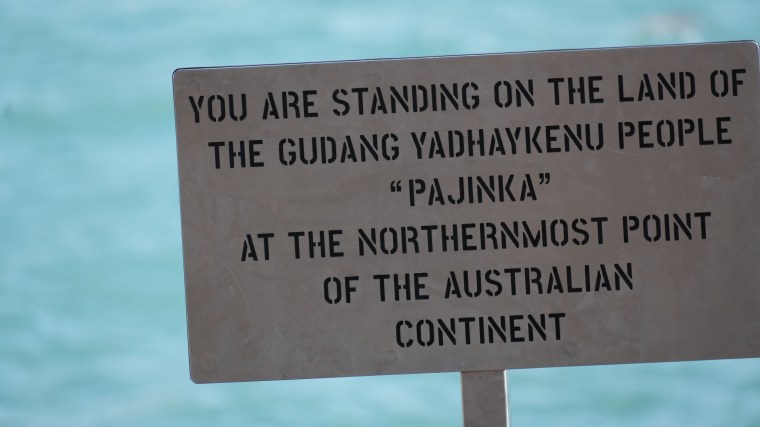
This is the final post for this series featuring several more lifers and the important cultural and spiritual connection between one bird species and the people of the Torres Strait Islands just north of Cape York, which we visit after finally standing on the very Tip of Cape York, Australia’s most northern mainland point. This is the sign that awaits those who make the grueling climb across the rocky point.
Before conquering the Tip we went on a boat trip out into Weipa harbour, situated in the Gulf of Carpentaria in Australia’s famous bauxite mining town. Weipa has the largest bauxite producing mine in the world, and has over one hundred years of supply yet to be mined. Bauxite is used to make aluminium. It is easy to mine because most of the bauxite is near the surface. The town and its services are basically owned and operated by the Rio Tinto Weipa Alumina Pty Ltd mining company.
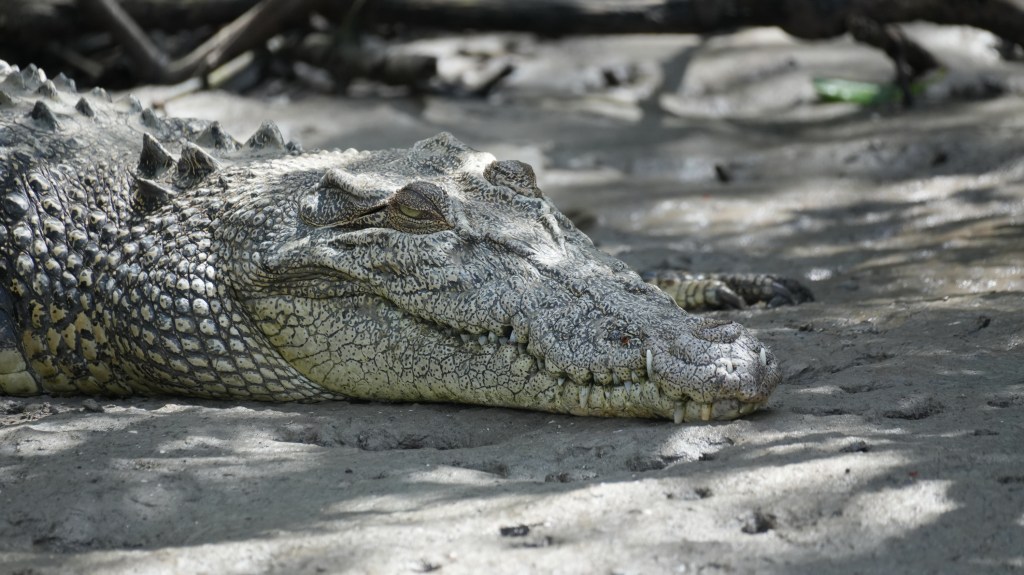
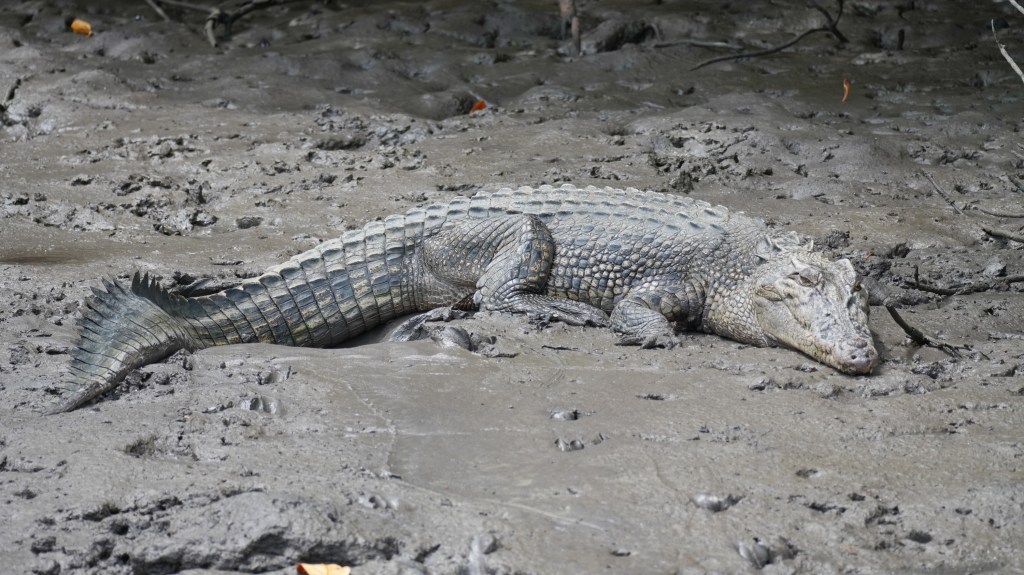
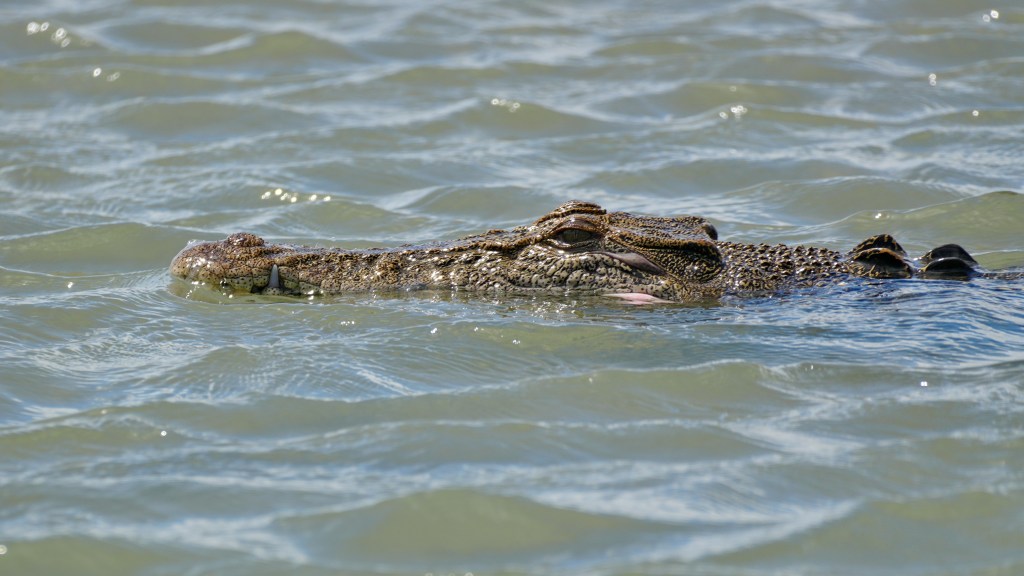
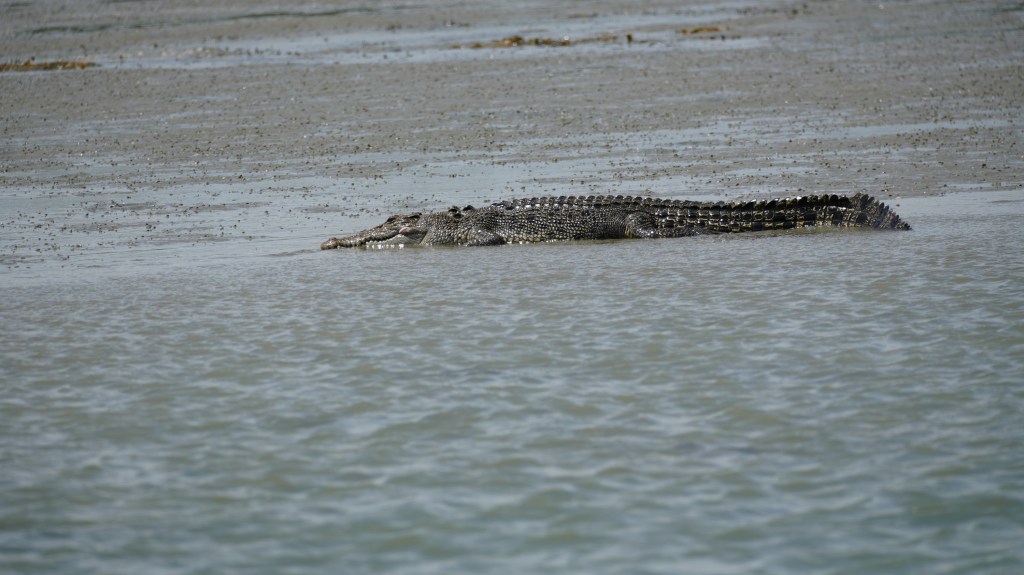
Here on our boat cruise along the river we observed many lazy salt water crocodiles resting also on sand bars, as well as many species of water bird. Thankfully Crocodiles only eat very infrequently, depending on the source up to a month or more due to their slow metabolism. They must remain near water to moderate their body temperatures as they are cold blooded. Click on images to enlarge.
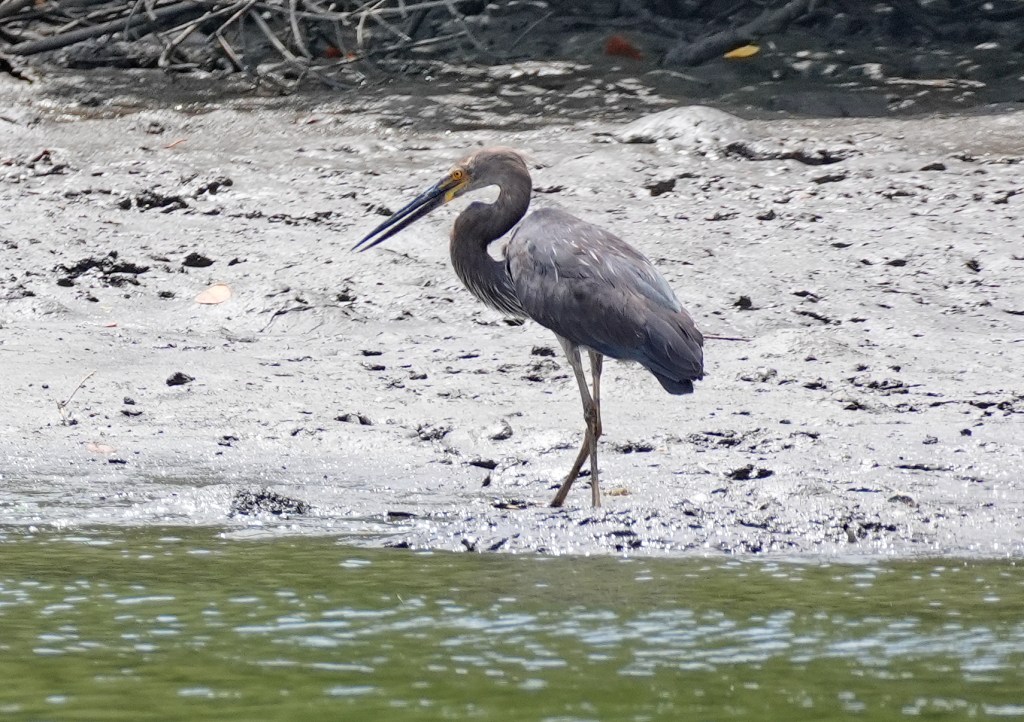
While on this very informative trip we saw a special lifer, the large Great Billed Heron, a bird seldom seen and very wary of humans. You can see how it gets its name. It appears to have some breeding plumage also.
Great Billed Heron
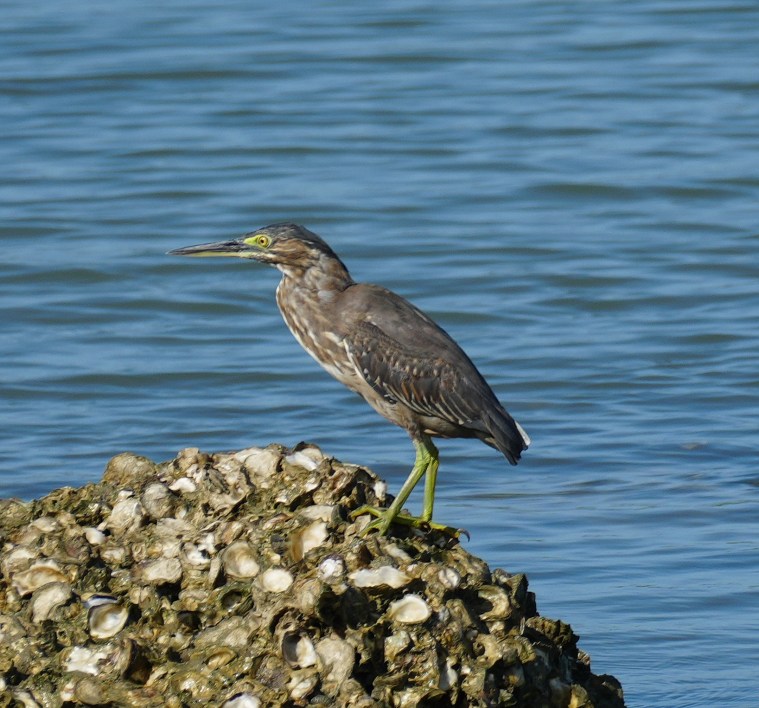
This Striate Heron was also seen resting. Another very shy bird which usually takes flight on sighting humans.
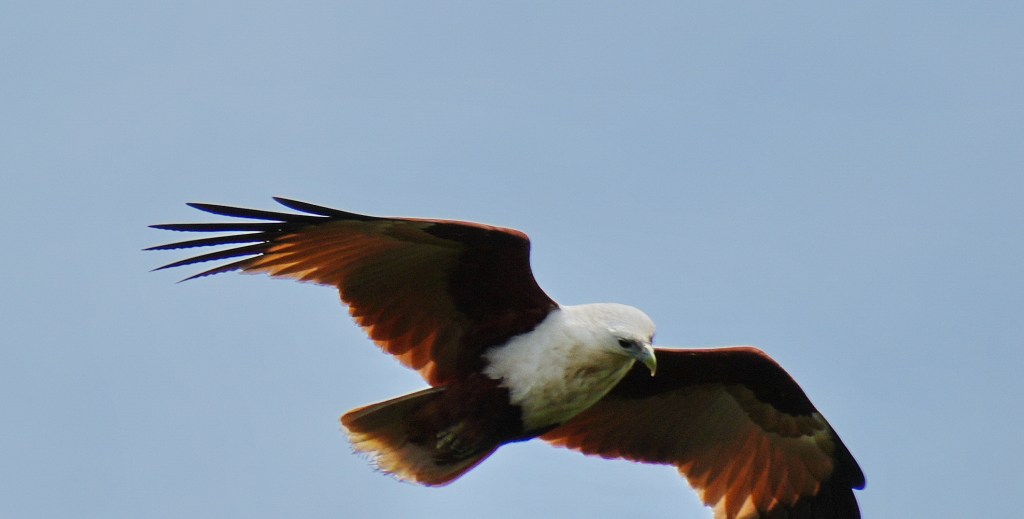
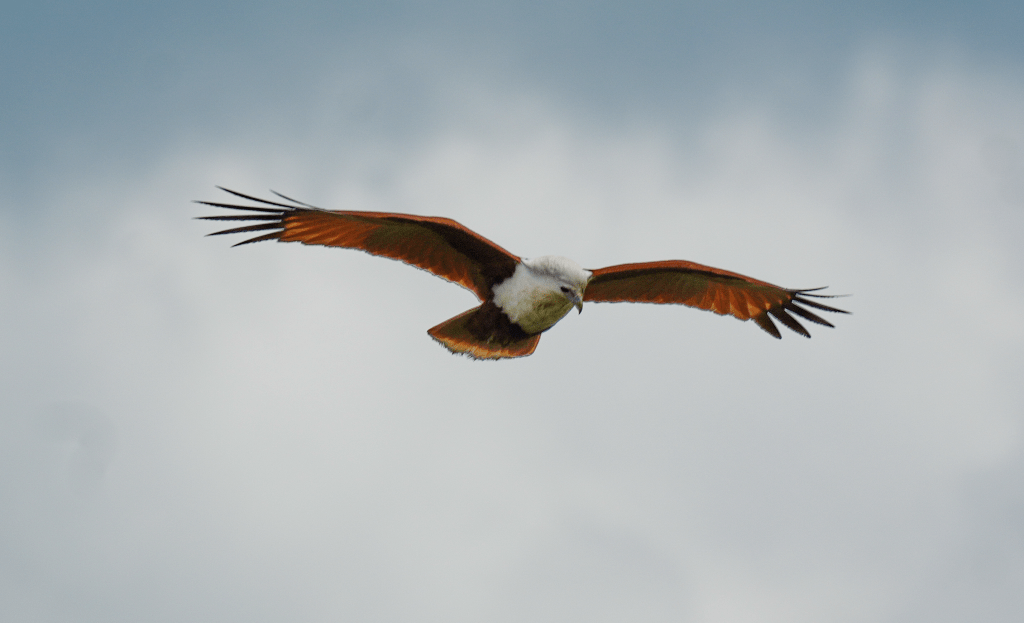
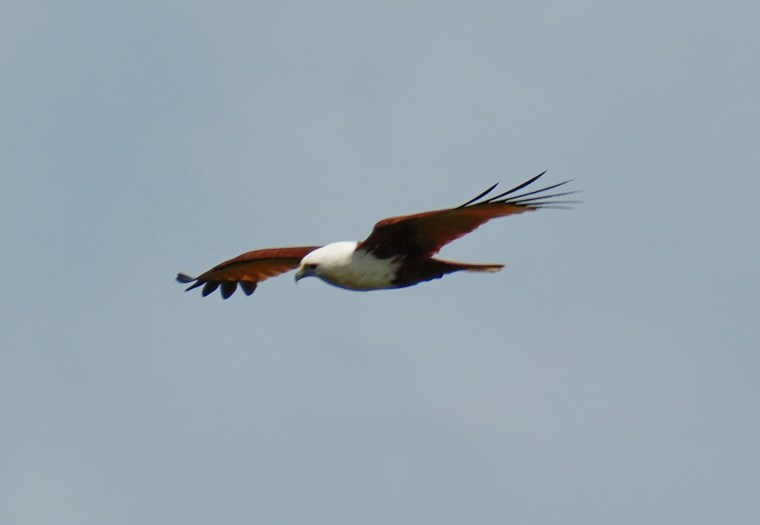
While we were cruising in the boat this beautiful Brahminy Kite flew over. This raptor frequents the top end and enjoys a fish diet among other foods.
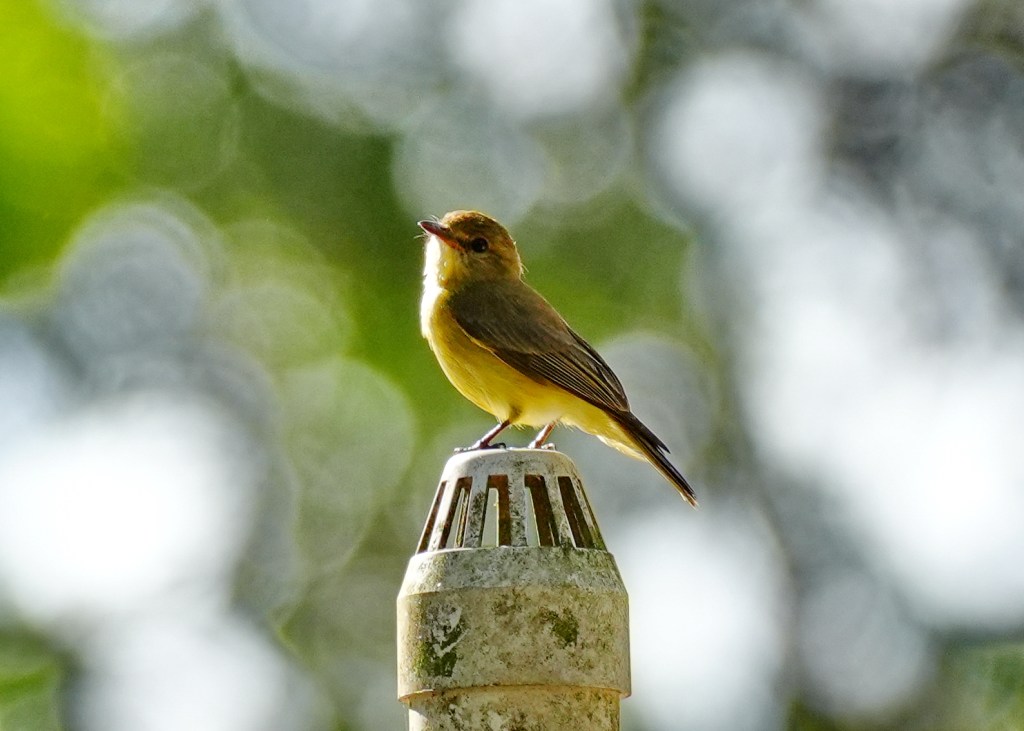
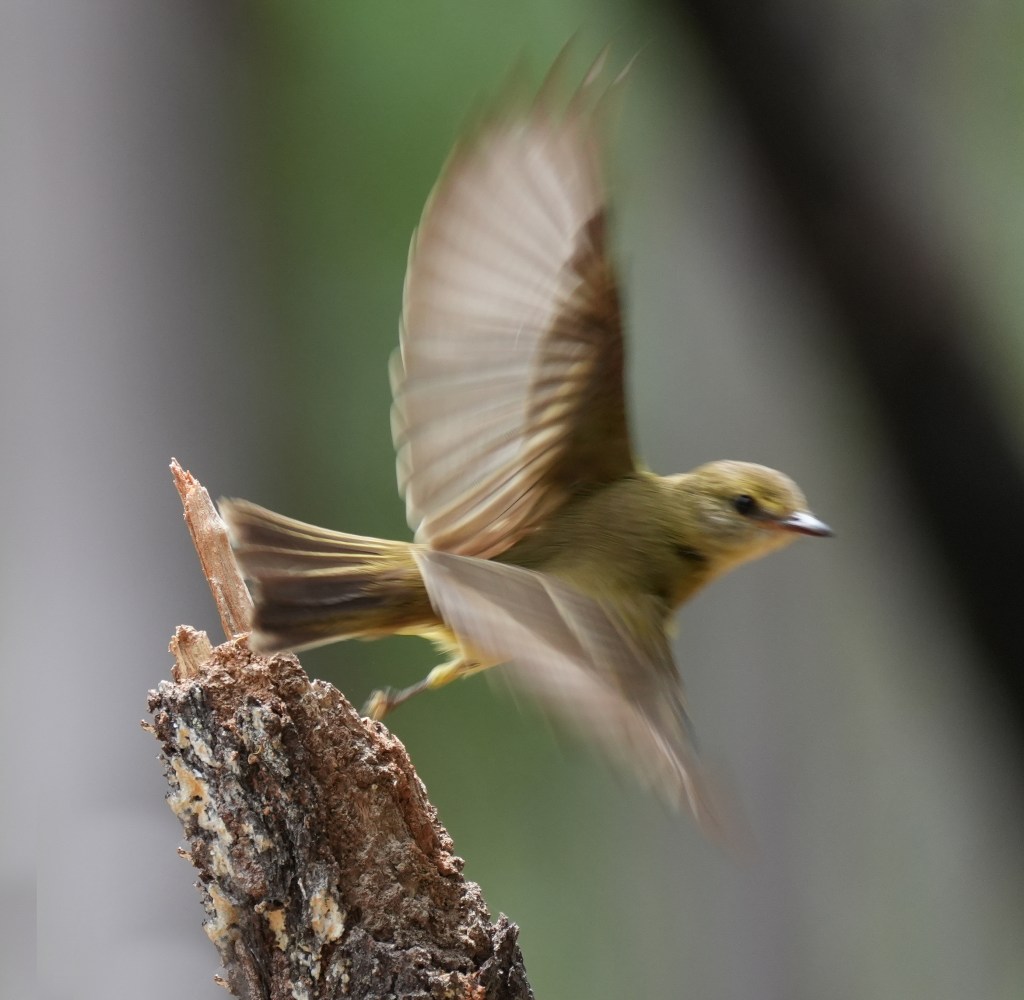
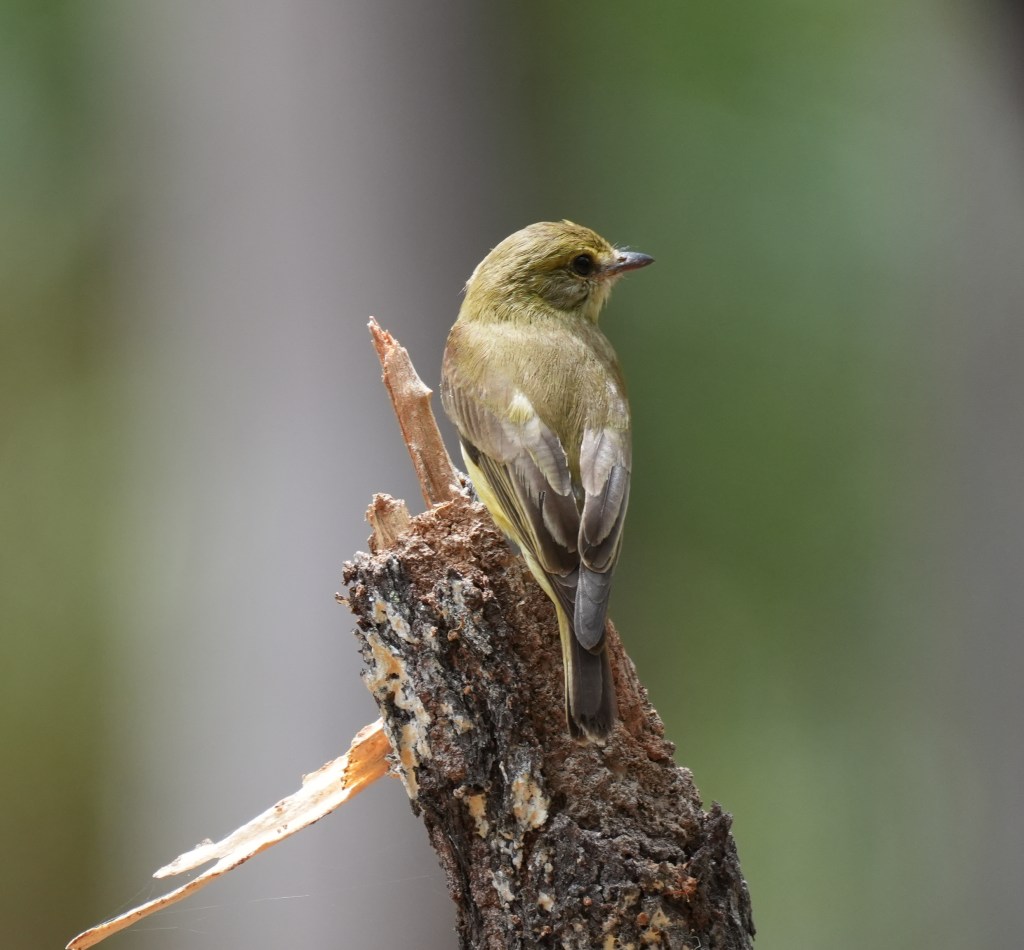
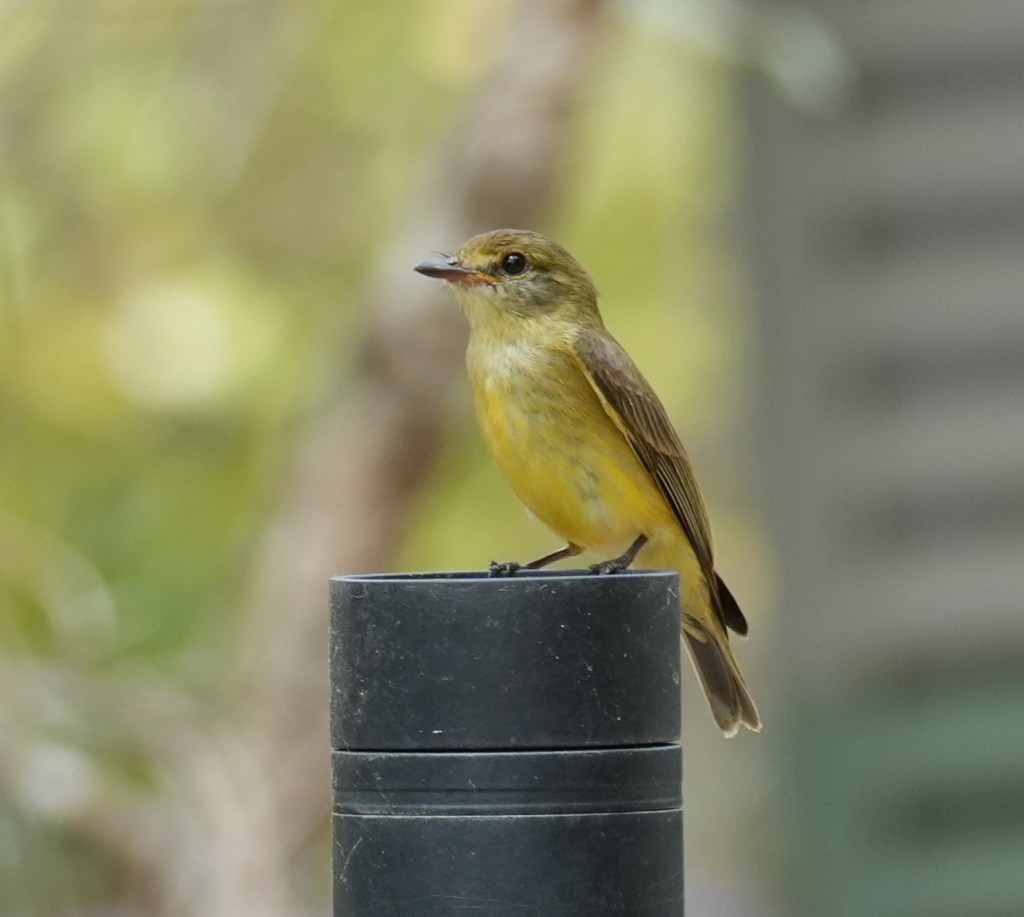
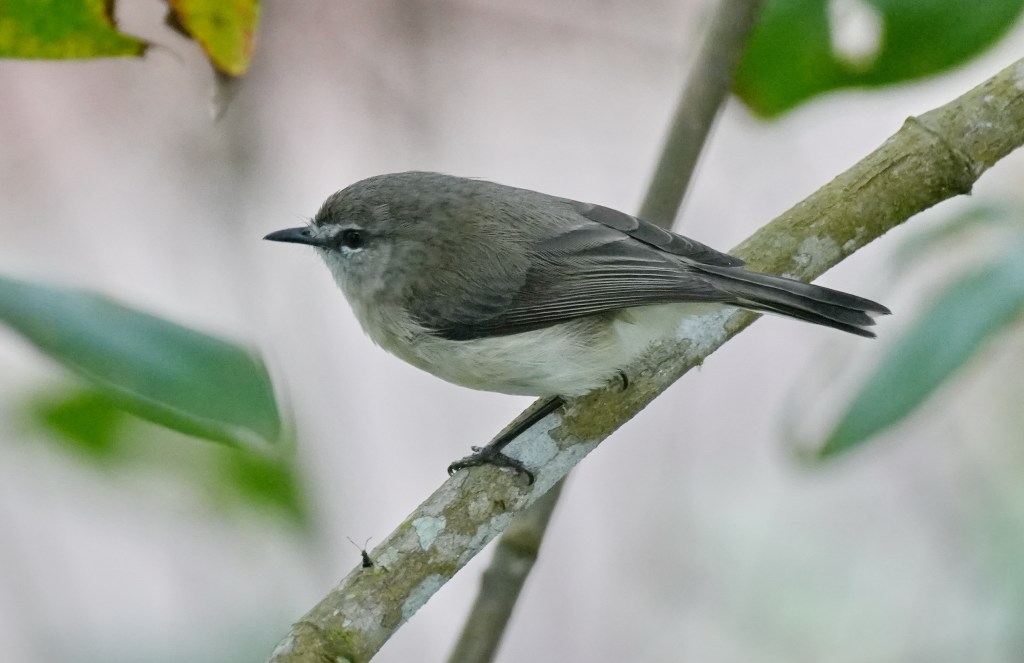
Of the species of tree birds we saw a few more lifers including this tiny cute Lemon-bellied Flycatcher which was getting water from a leaking air conditioner. In these dry places it is easy to see birds when you stay nearby sources of fresh water, taps hoses, pools and rivers. This Brown Gerygone which was more grey in colour was also a sub species we had never seen which is found up here.
Lemon-bellied FlycatcherBrown Gerygone NE race
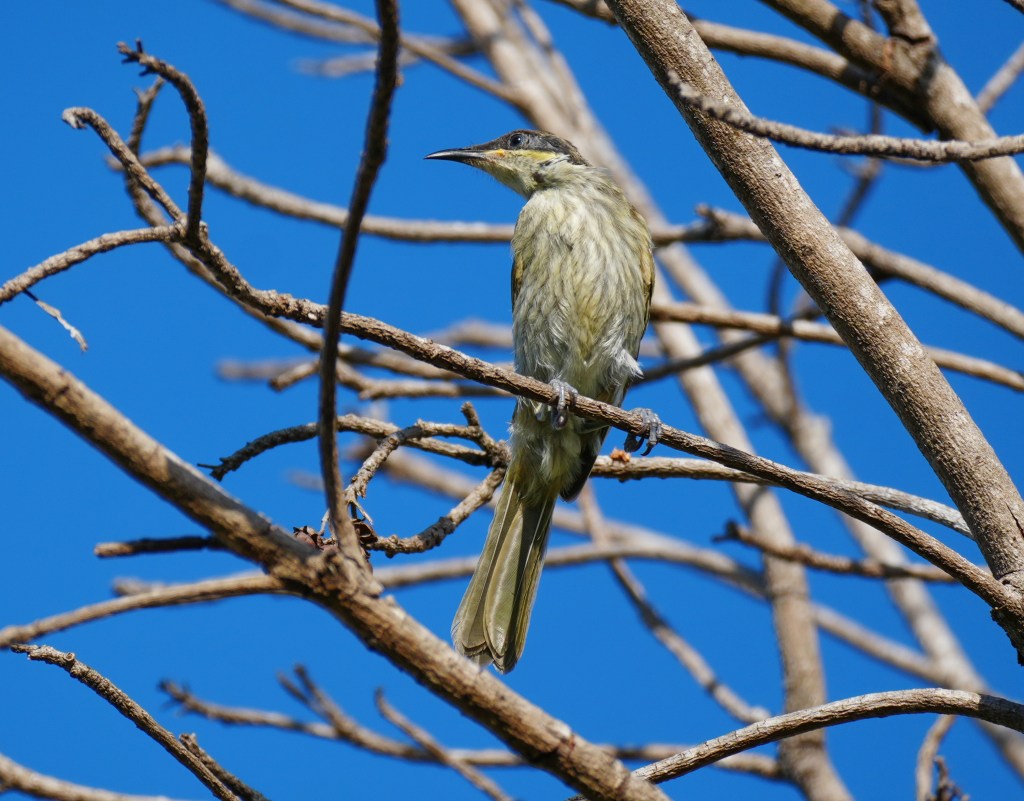
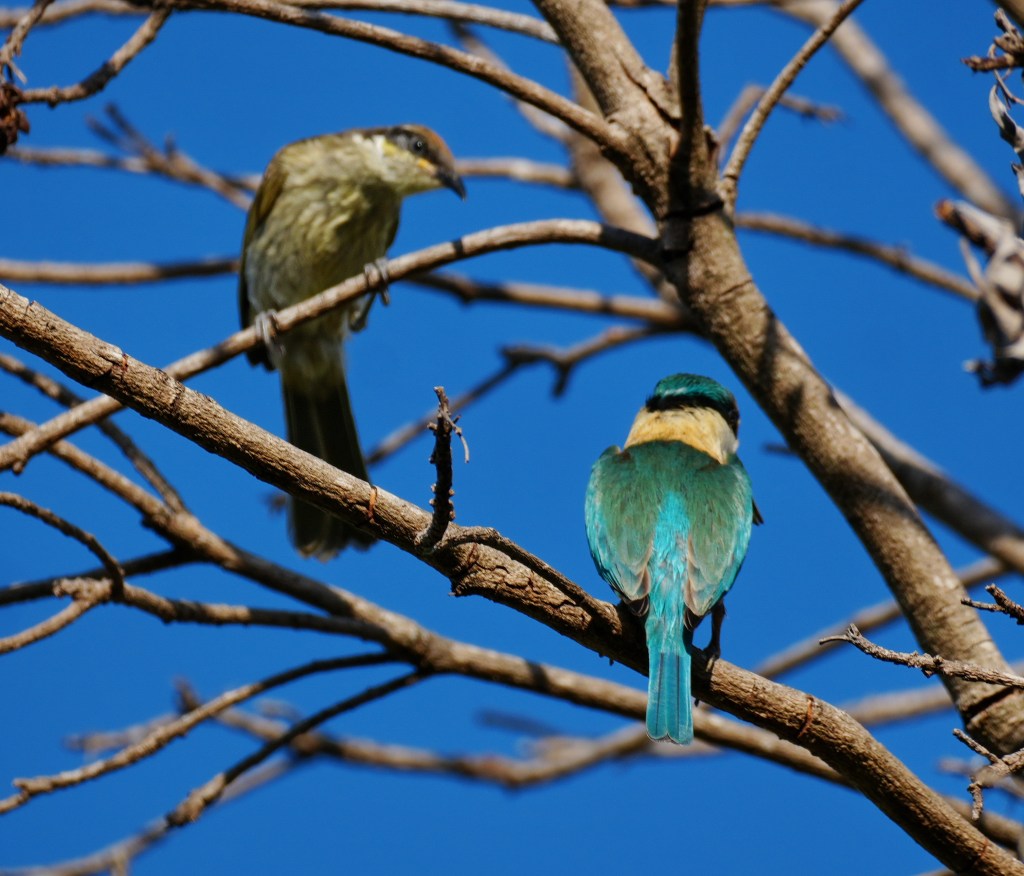
Of the many honeyeaters endemic to Cape York we saw two which were lifers. The Varied Honeyeater and White-throated Honeyeater.
Varied HoneyeaterVaried Honeyeater concerned about KingfisherWhite-throated HoneyeaterVaried HoneaterWhite Throated Honeyeater
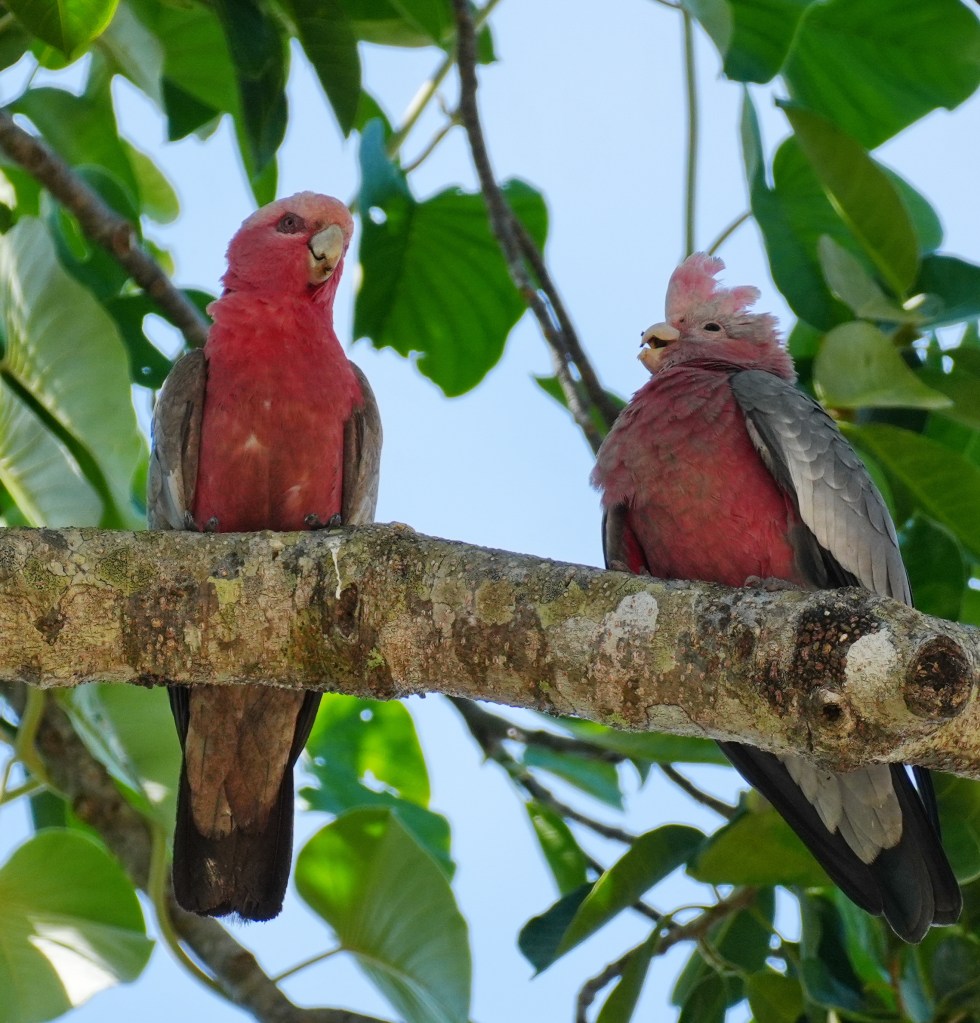
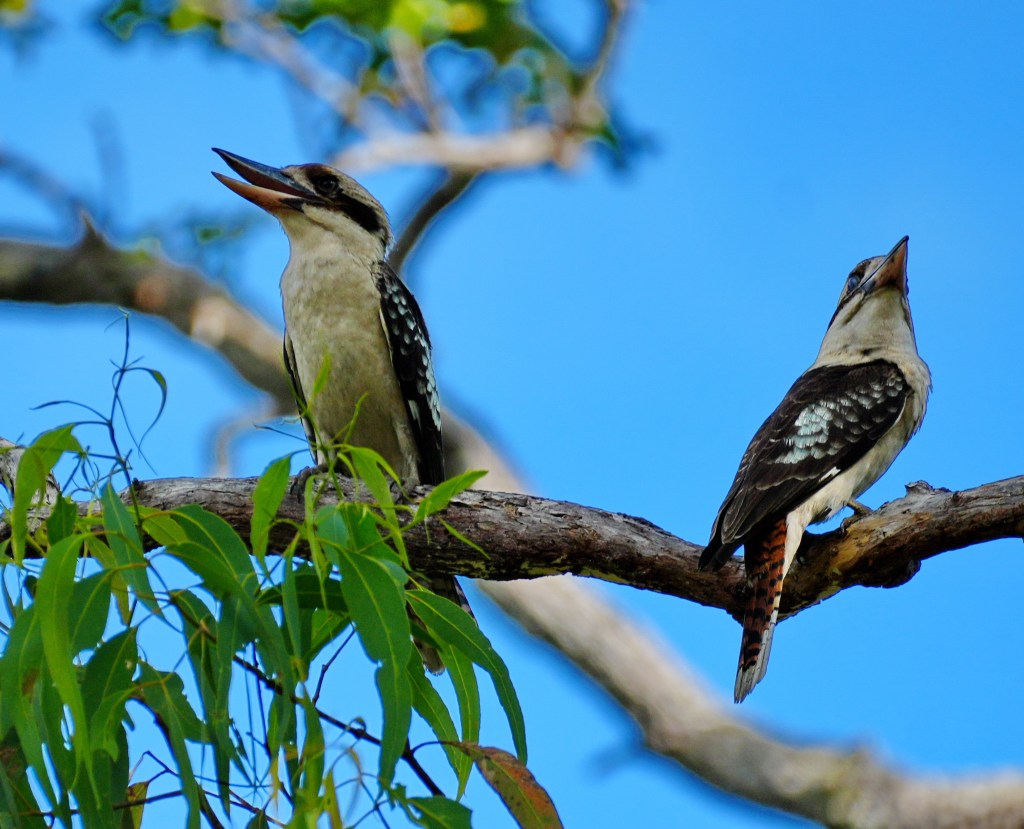
Several bird species had far northern subspecies of the ones in Sydney. These include the Galah which has a much richer pink colouring and a light pink cone. This adult is trying to cope with terrible begging cries of the juvenile. It sounded so sorrowful and just kept on calling. The northern subspecies of the Laughing Kookaburra is slightly smaller bird. We did not get to see the Blue-winged Kookaburra while there, it flew off each time.
Galah with juvenileKookaburras calling
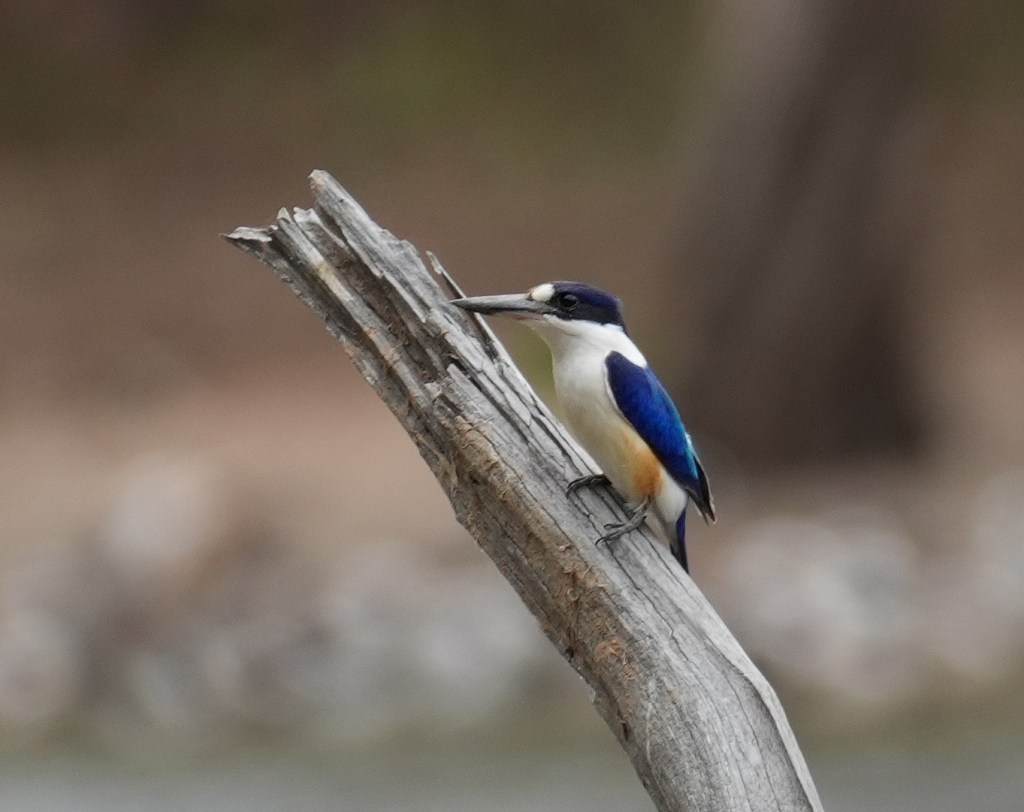
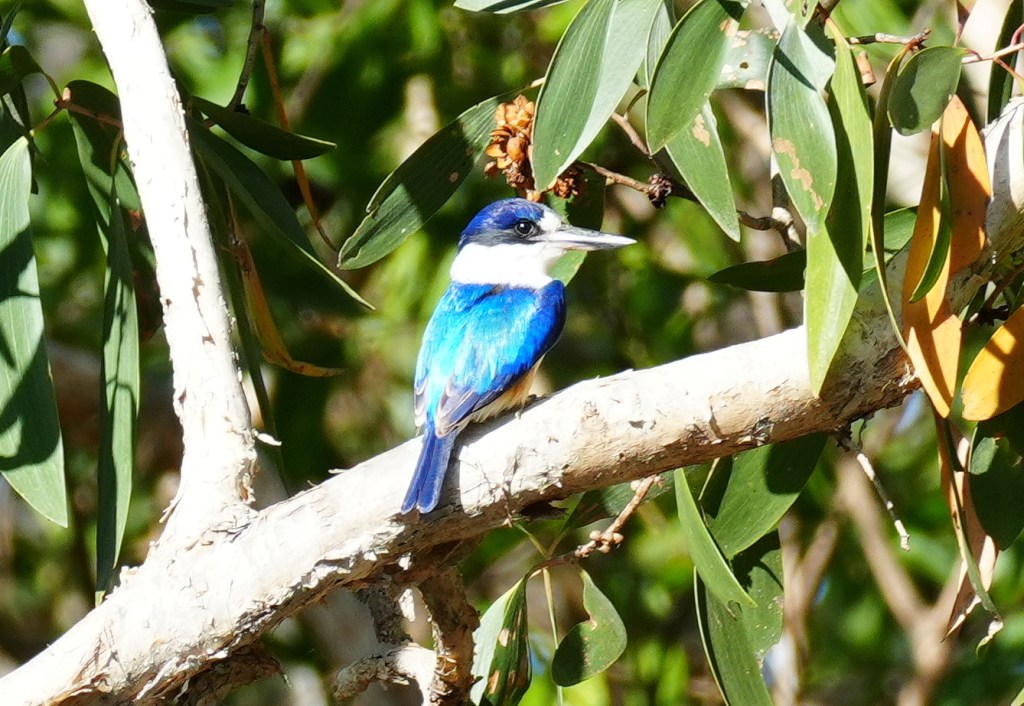
As well as the Sacred Kingfisher and Azure, we see more of the Forest Kingfisher in these parts. This species is found more in the forest woodlands and is not bound to water sources as much as the other species, feeding more on small reptiles, mice, worms and insects. It has more blue rather than green and white lores and chest.
Forest Kingfisher
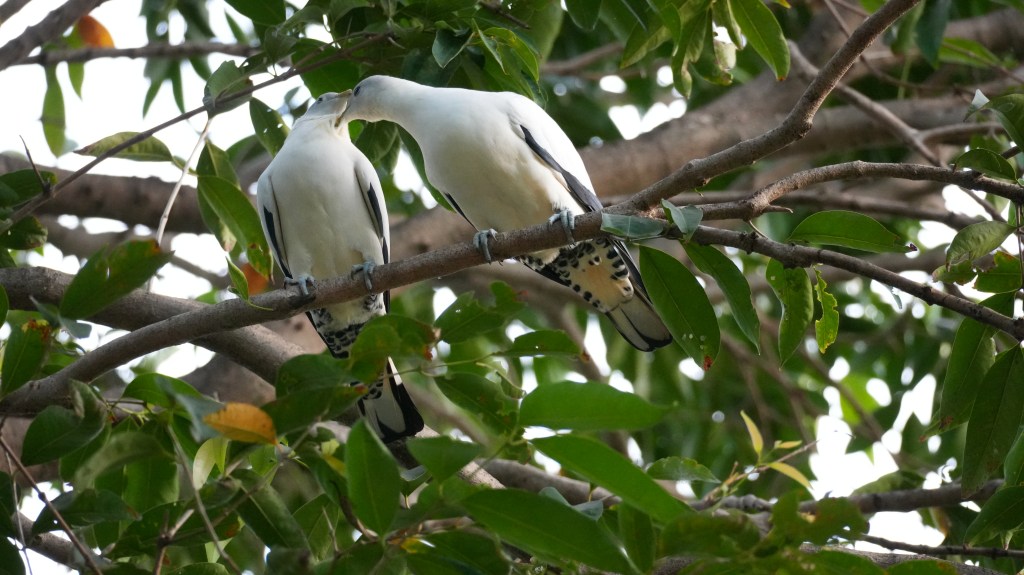
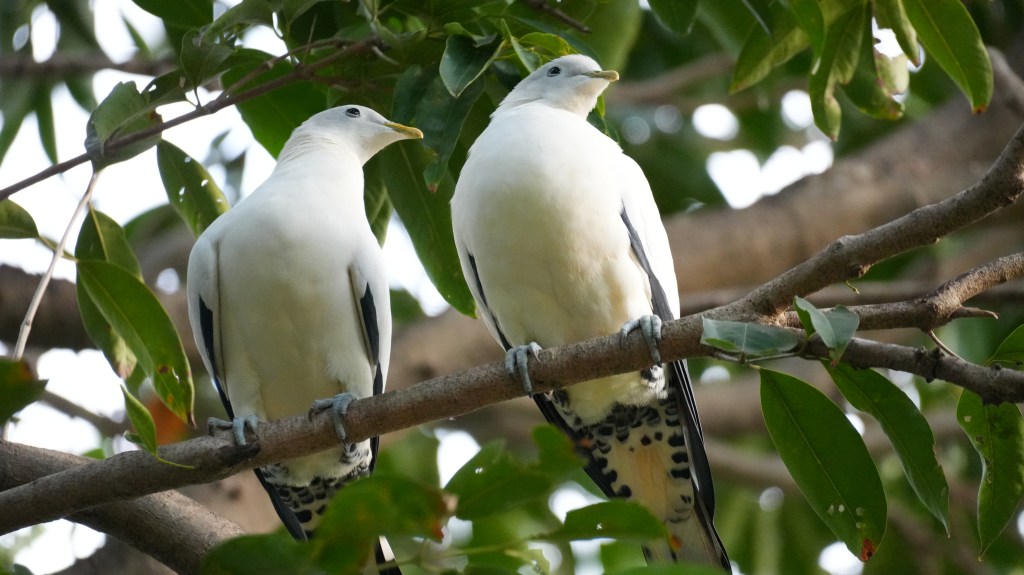
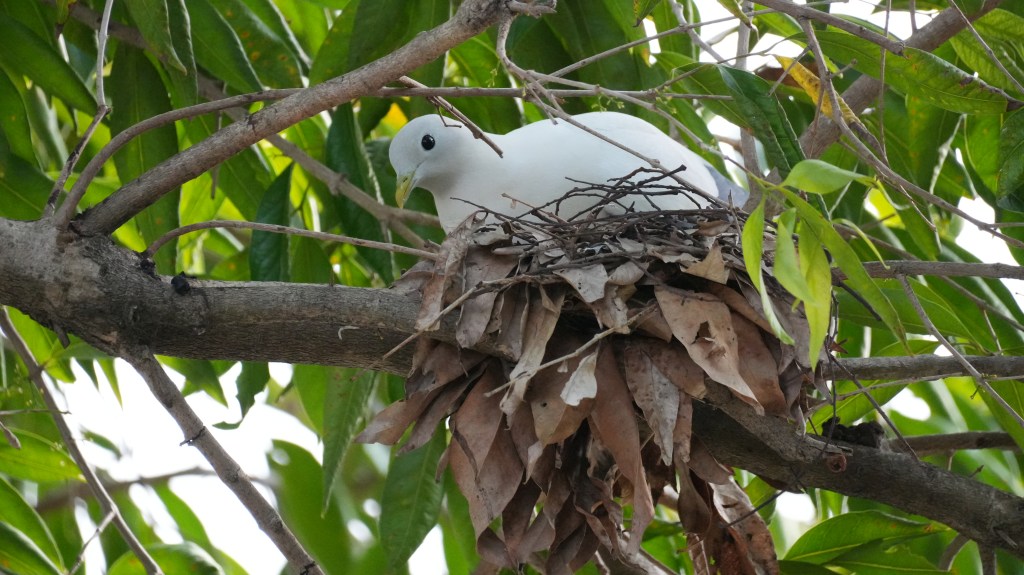
Lastly, an very important feature of our journey end when we stayed on Thursday Island in the Torres Strait just above Cape York, was to learn about the connection between the Teresian Imperial Pigeon (also known as the Torres Strait Pigeon) and the native Torres Strait islanders. The Teresian Imperial Pigeon is a beautiful bird found in all the islands including coastal mainland even in Cairns esplanade. These birds pair for life and are constantly affectionate to each other similar to species of Parrot and Cockatoo, helping to preen each other and give affectionate pecks.
These birds were threatened with extinction years ago due to over hunting for meat, but are now protected and on rapid recovery. The reason these migratory birds are important to the Torres Strait islanders is that they culturally connect the islands to the mainland. through their legends about flying home to the wongai fruit or Wongai Plum (Manilkara kauki) which the birds love as do the islanders. This tree grows on Thursday Island. The birds fly daily between both, symbolising the connection between the two environments. One legend says that if you eat the wongai fruit you will always want to return to the islands, like the birds which fly daily between the islands and mainland to nest and feed.
Enjoy your week and your birds. We had the delight of watching a juvenile Grey Butcherbird spend its first days out of the nest in our courtyard around our bird baths while its father fed and protected it from our resident Noisy Minor coalition. The minors were more curious than anything and later accepted the bird into the local community.I will show footage of this next week.
Birds have played an important part in the history of many religious and spiritual cultures throughout the worldfor mainly good and some not so good reasons.
Birds have also been singly important for keeping the insect and rodent population under control as well as protecting fields and crops and therefore for maintaining our personal comfort, from these pests. In Australia birds are important pollinators, ensuring that trees and forest are maintained, without which many forests would cease to exist. Birds also provide a source of food for us and for many other creatures including other birds. For the most, they have been the bringer of encouragement and hope.
However, on the other hand, many species of bird suffer extinction or have been pressed toward extinction as they are culled because they are eating or destroying farmers crops or threatening farmers herds. Some even threaten humans. There are many people afraid of birds, though most birds are more afraid of them.
Solomon goes on to explain that in life we will experience the two extremes of life. Some might call it the good and evil, yin and yan, dark and light or some other opposite combination of life’s experience.However, the Bible tells us, as Solomon does, both intentionally exist because the Creator of the universe and of each of us purposed it that way for the benefit of our growth and development.It is revealed in the Christian Bible that God’s ultimate purpose is to replace our selfish nature and transform us to be like his loving Son Jesus.
The only successful way of navigating life’s unknowns is in the safety and peace of trusting in Jesus, God’s Son, who came to earth as a real man and made possible what we could not through his death and resurrection to life on our behalf.
“God made the one [and only person] who did not know sin, [Jesus], to be sin for us, so that in him we would become the righteousness of God [restored and forgiven to be and live as God’s own people like Jesus]. – 2 Corinthians 5:21 (NET)
My wife and I share a love of bird observing and bird photography which takes us all over Australia. We love sharing our experiences. Birds live in the beautiful parts of our country. We always get blessed with beautiful gifts of new birds and unexpected experiences each time we go out birding or just walking in the parks and reserves in our wonderful land. We love Australia, and the variety that each state and region offers in its wildlife and nature aspects. Join us in sharing our love. We have always found other birders enthusiastic and friendly people who appreciate the good things in life.
Great post Ashley, I have enjoyed reading about your northern adventure and all the new birds you found. Beautiful photos of the brahminy kite, and that lemon bellied flycatcher is definitely a cutie. I guess it’s time now for you to plan next year’s big adventure! Enjoy the weekend.
Thanks Sue, glad your enjoyed the journey. We will be visiting family in Perth next week so we will see what we see there, though it wont be a birding adventure as first planned as we need a break from long trips till next year. Enjoy your weekend.
Hello Ash,
It has been a real joy to ‘follow’ along parts of your birding adventure.
Learning more about the deep history and connection of the native Torres Strait islanders and Teresian Imperial Pigeon was very moving. It was heartwarming to see the pair being affectionate towards each other (and how they mate for life). I am glad your country honours the heritage of the native residents.
The backlit photo of the Lemon-bellied Flycatcher is charming and I loved learning more about each bird through your detailed descriptions.
We hope you and your wife are doing well and look forward to resuming our conversations after you’re fully energized and recovered from the long trip. Also delighted to see you have a book-signing event coming up. Take care, dear friends.
Thanks Takami, it is always a delight to read your detailed comments. I am delighted you enjoy my posts and the many birds we encountered. Of course there were many more birds not included but I chose to highlight the new and most interesting ones. We did have a cultural concert put on for us by the Thursday Island people which was most interesting and enjoyable as they displayed their native song and dance. The flycatcher was such a cute bird and was also bringing water to its juvenile which was sitting by the nest. It was a delight to see the Teresian Imperial Pigeons, they were all over the island in pairs as well as nesting back in Cairns on the mainland. We could hear their unusual loud cooing along the waterfront. Yes I have my annual pre Christmas book signing at my main local bookstore in one of our largest shopping centres. I do enjoy engaging and chatting with people and has been quite a success. We have recovered significantly but still get tired, as the trip took more than usual out of us, especially the intense humidity which I always find taxing on my well being. Enjoy your week my friend.
Introduce your child to our amazingand interesting birds.Over 100 beautiful photos with facts on how they do life, from which we learn helpful life skills.Click image above to Find out more and Buy the Beautiful Bird Book
Teens and Young Adults
Flight of a Fledgling similar to my first book uses the interesting lives of birds to teach valuable life skills.It is written expressly for teens and young adults as they prepare to leave the Nest. It helps them to better understand themselves and improve their personal relationships and better prepare for lifes challenges.Click on the above cover to find out more and purchase online.
Stay and Explore the Rainforest in Lamington N P – click
Visit Broome Bird Observatory
Include in your next visit to Broome WA a couple of days on bird tours in Australia's Shorebird Capital at Broome Bird Observatory (BBO) in conjunction with Birdlife Australia, it is well worth it. Enjoy a self guided tour through their new and beautiful interactive discovery centre. Accommodation is available. Tours to various bird habitats: mangroves; bush and shoreline. BBO Wardens Sebastian and Jamie will make you welcome. While you are there check out the Beautiful Bird Book 'What Birds Teach Us'.
Help Save Our Birds
See Tasmania’s Endemic Birds
Luxury Stay in the Capertee Valley: bellebois.com.au
Where Can I Buy The Beautiful Bird Books?
How Do Birds Keep Their Nests Clean ?
Birding Around the Sydney Region
If you are a birder visiting the Sydney region for the first time, check out the many National Parks (NP) that surround it for the great variety of birds found there. The Visitor Information centres at The Royal NP, Botany Bay NP, Fitzroy Falls and Minnamurra NPs have information and also sell my Beautiful Bird Books. If you follow this blog, make a date with Aussiebirder before you arrive for info tips or a visit.













 aussiebirder
Great post Ashley, I have enjoyed reading about your northern adventure and all the new birds you found. Beautiful photos of the brahminy kite, and that lemon bellied flycatcher is definitely a cutie. I guess it’s time now for you to plan next year’s big adventure! Enjoy the weekend.
LikeLiked by 1 person
Thanks Sue, glad your enjoyed the journey. We will be visiting family in Perth next week so we will see what we see there, though it wont be a birding adventure as first planned as we need a break from long trips till next year. Enjoy your weekend.
LikeLiked by 1 person
Hello Ash,
It has been a real joy to ‘follow’ along parts of your birding adventure.
Learning more about the deep history and connection of the native Torres Strait islanders and Teresian Imperial Pigeon was very moving. It was heartwarming to see the pair being affectionate towards each other (and how they mate for life). I am glad your country honours the heritage of the native residents.
The backlit photo of the Lemon-bellied Flycatcher is charming and I loved learning more about each bird through your detailed descriptions.
We hope you and your wife are doing well and look forward to resuming our conversations after you’re fully energized and recovered from the long trip. Also delighted to see you have a book-signing event coming up. Take care, dear friends.
LikeLiked by 1 person
Thanks Takami, it is always a delight to read your detailed comments. I am delighted you enjoy my posts and the many birds we encountered. Of course there were many more birds not included but I chose to highlight the new and most interesting ones. We did have a cultural concert put on for us by the Thursday Island people which was most interesting and enjoyable as they displayed their native song and dance. The flycatcher was such a cute bird and was also bringing water to its juvenile which was sitting by the nest. It was a delight to see the Teresian Imperial Pigeons, they were all over the island in pairs as well as nesting back in Cairns on the mainland. We could hear their unusual loud cooing along the waterfront. Yes I have my annual pre Christmas book signing at my main local bookstore in one of our largest shopping centres. I do enjoy engaging and chatting with people and has been quite a success. We have recovered significantly but still get tired, as the trip took more than usual out of us, especially the intense humidity which I always find taxing on my well being. Enjoy your week my friend.
LikeLiked by 1 person