Australian Birds
Finding the Endemic Birds of Tasmania
During our stay on South Bruny Island and also in the forests surrounding Hobert we managed to see many of the endemic birds and several of the endemic animals, which […]
Welcome to our website for the study and appreciation of Australian birds and their interesting behaviours.
During our stay on South Bruny Island and also in the forests surrounding Hobert we managed to see many of the endemic birds and several of the endemic animals, which […]
During our stay on South Bruny Island and also in the forests surrounding Hobert we managed to see many of the endemic birds and several of the endemic animals, which was a great delight for us. Endemic meaning they are only found in this part of the world and no where else. we saw one other lifer, the Tawny-crowned Honeyeater down south of Inala at the South Bruny Lighthouse. Banksia margenata was flowering there in the wind swept hillside being blown upon by the cold Southern Ocean winds. This flower provides a source a nectar for the honeyeaters.
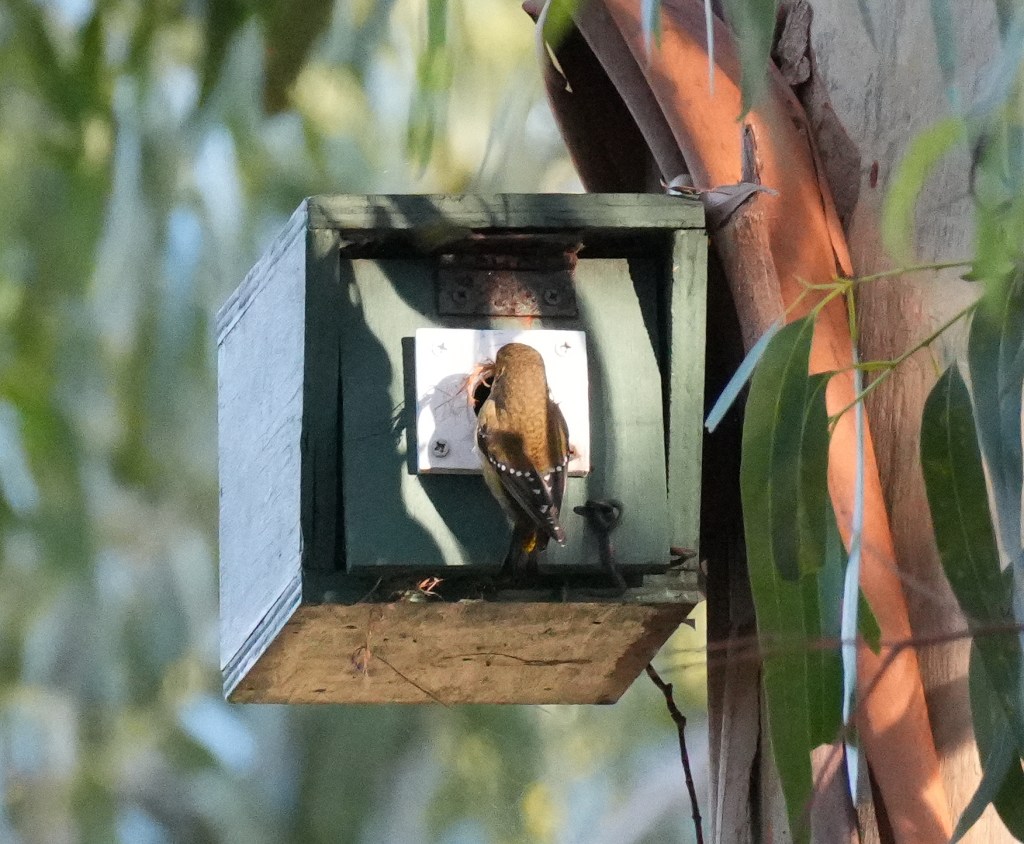
We know now there is a direct relationship with the Eucalypt tree species and particular bird species and their location. In recent years endemic species, including the endangered Forty-spotted Pardalote and its relationship with Eucalyptus viminalis, posted last week, have been squeezed to a small area of its native state because of forest habitat destruction, reducing the numbers and locations of birds, pressing them toward extinction. Even with the human efforts of conservationists like Inala Nature reserve without more serious Government intervention our terrible wildlife extinction rate will only continue.
One of the great joys of studying and photographing Australian birds is that our vast country has so many species endemic to small areas in various states and regions, which is habitat and climate related. This makes holidaying in our country more enjoyable since we can look forward to discovering new birds (lifers) as we travel the length and breadth of our wonderful country and its islands. In addition to the Forty-spotted Pardalote while in Tasmania recently we added two more new lifers to our list of Tasmanian endemics, the Tasmanian Forest Raven and the Tawny-crowned Honeyeater (race: chelidonia). Click on image to enlarge it.
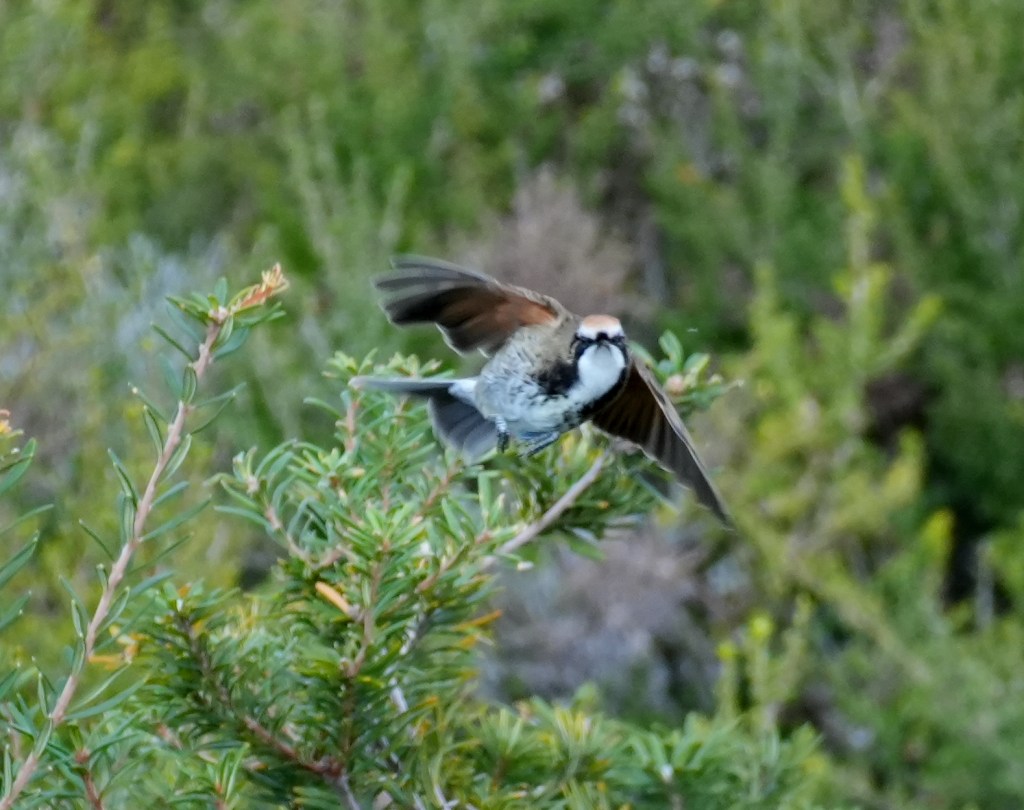
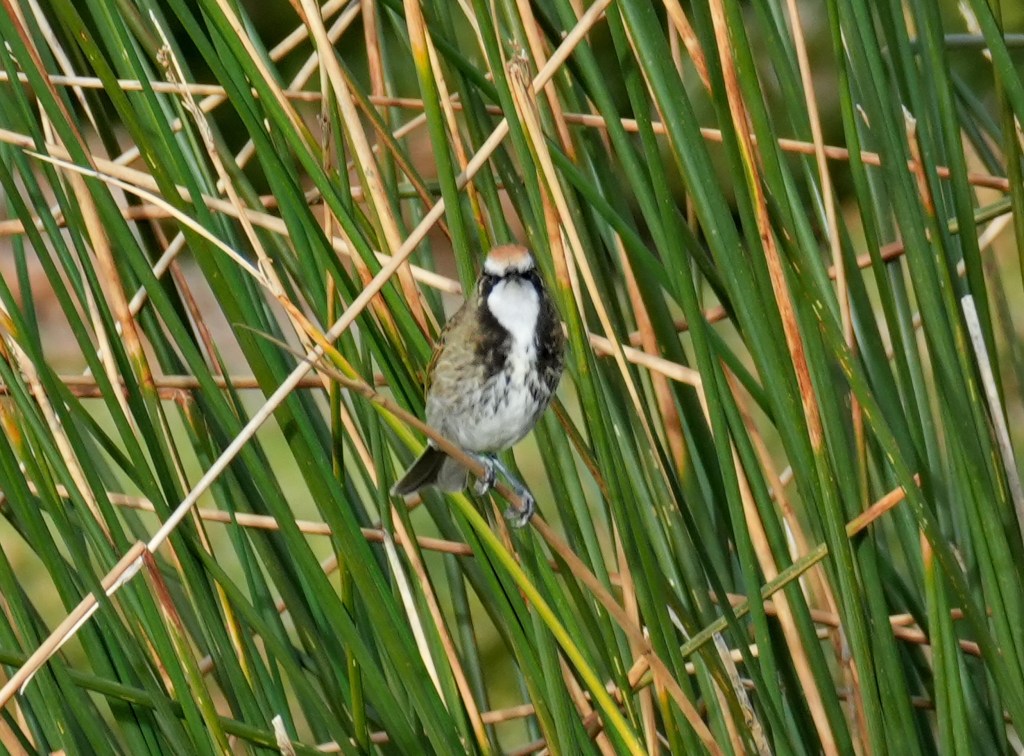
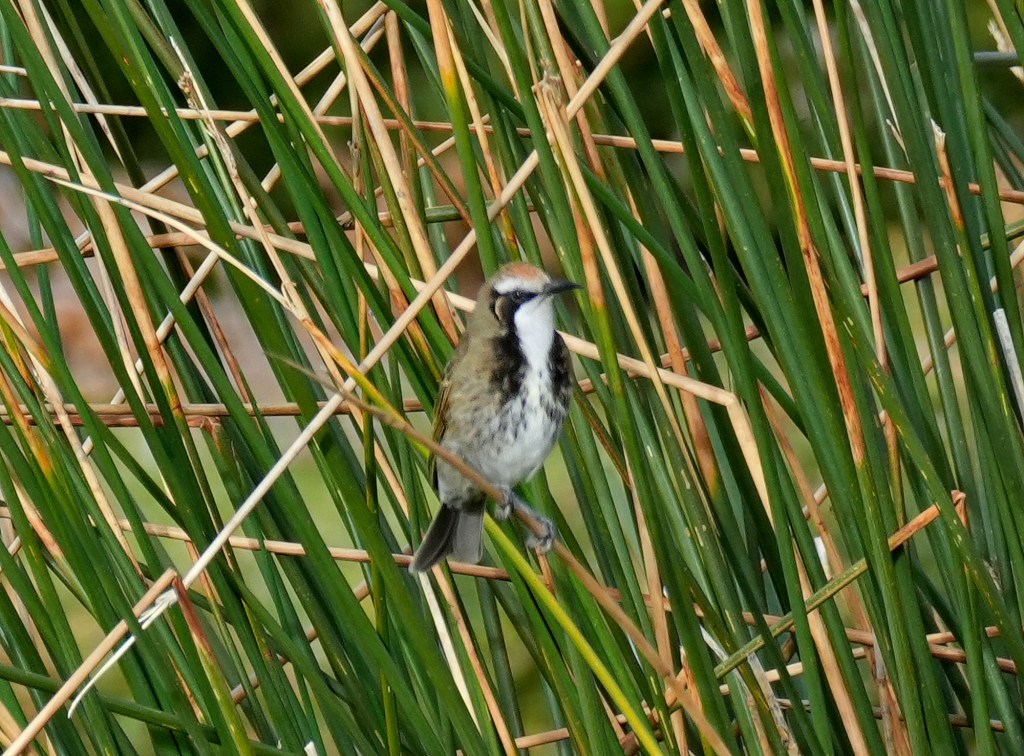
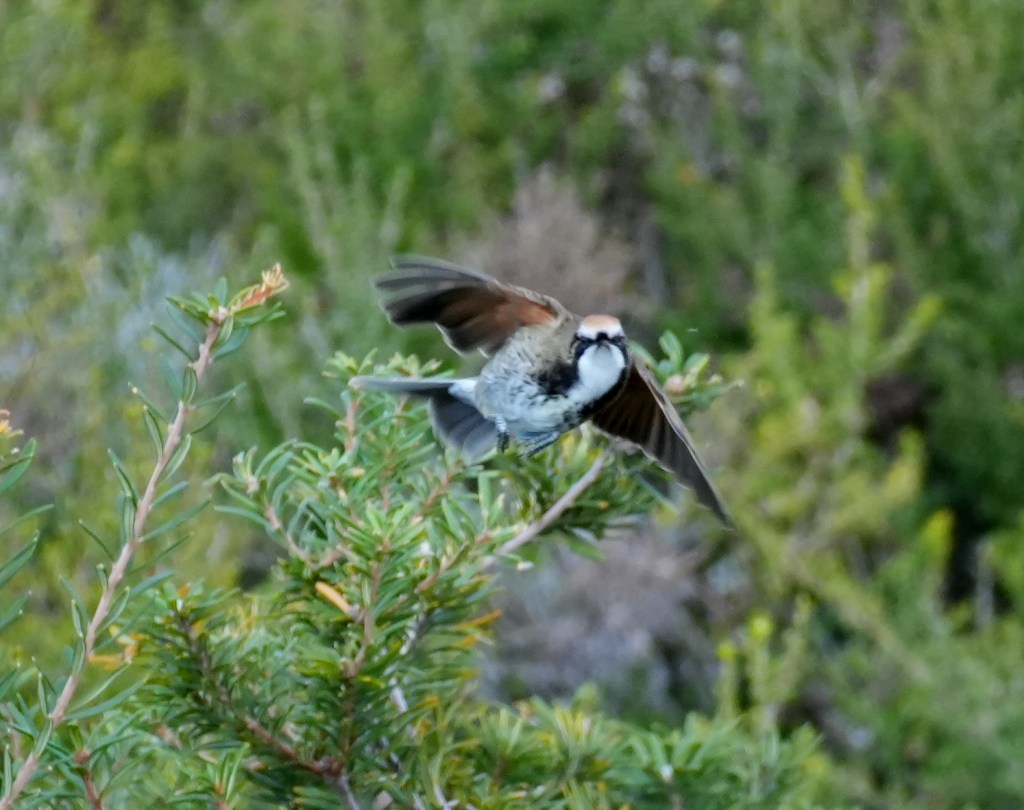
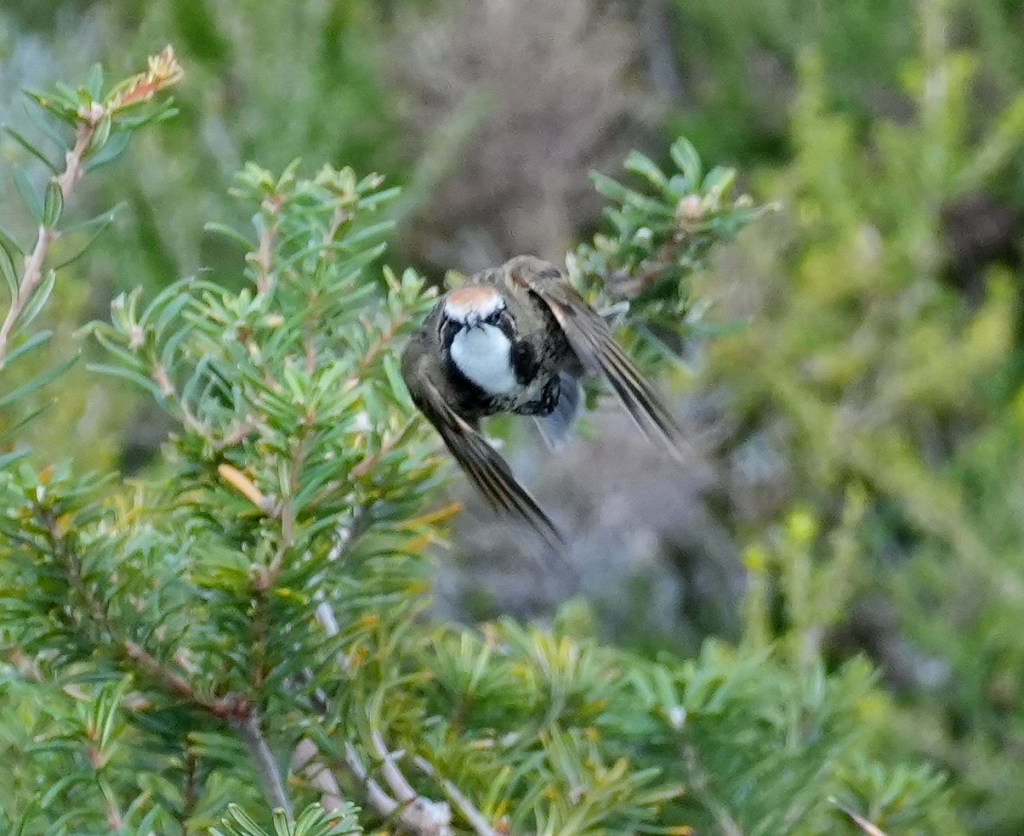
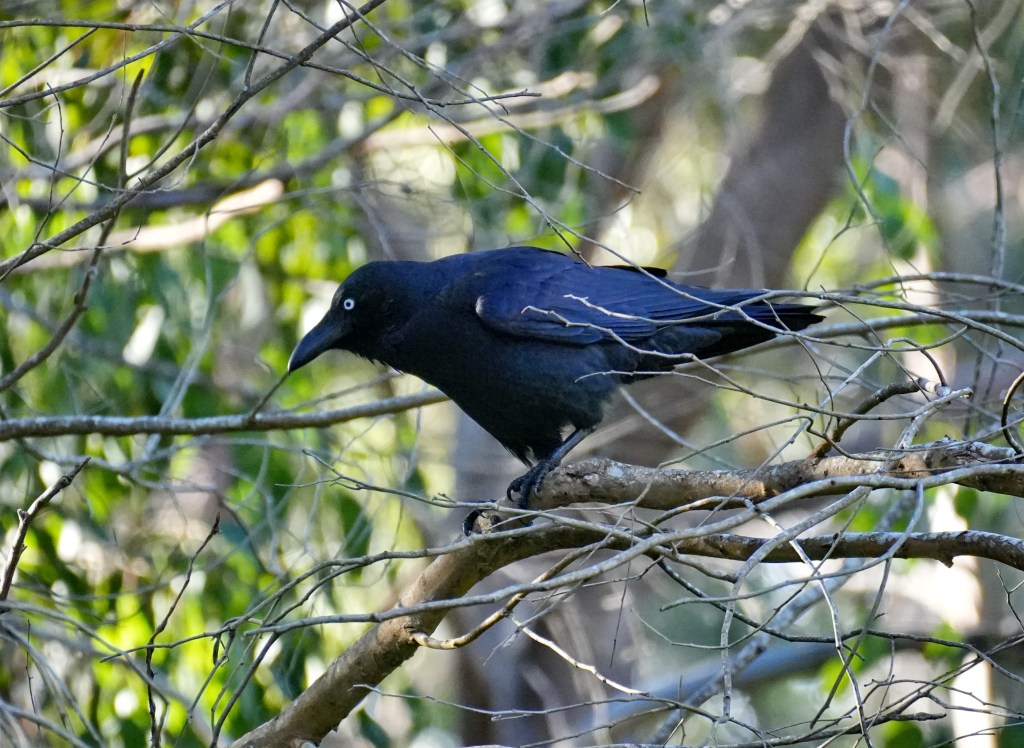
We saw the honeyeater in the cold windy point of South Bruny Lighthouse on the far south of the island in the rugged heathlands of South Bruny National Park, where the Banksia marginata (Silver Banksia) were flowering, a source of food for these birds in Winter.

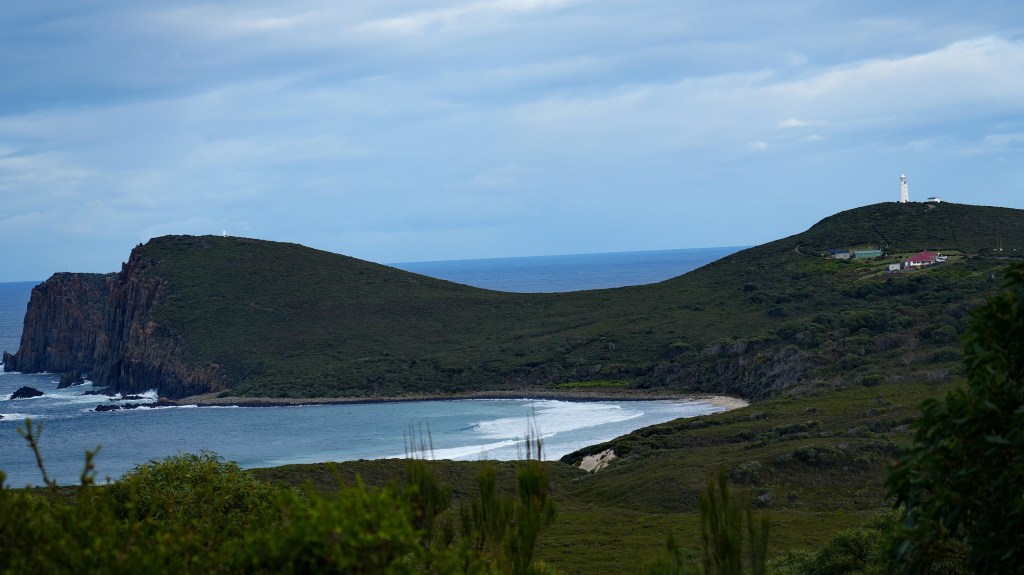
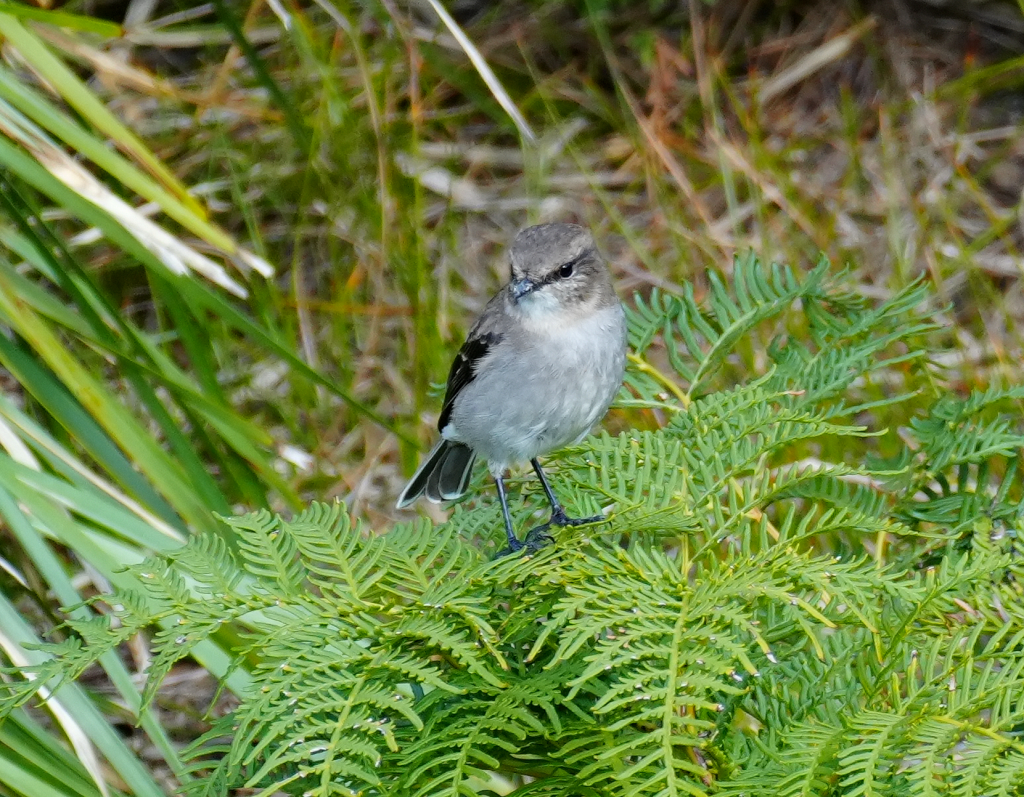
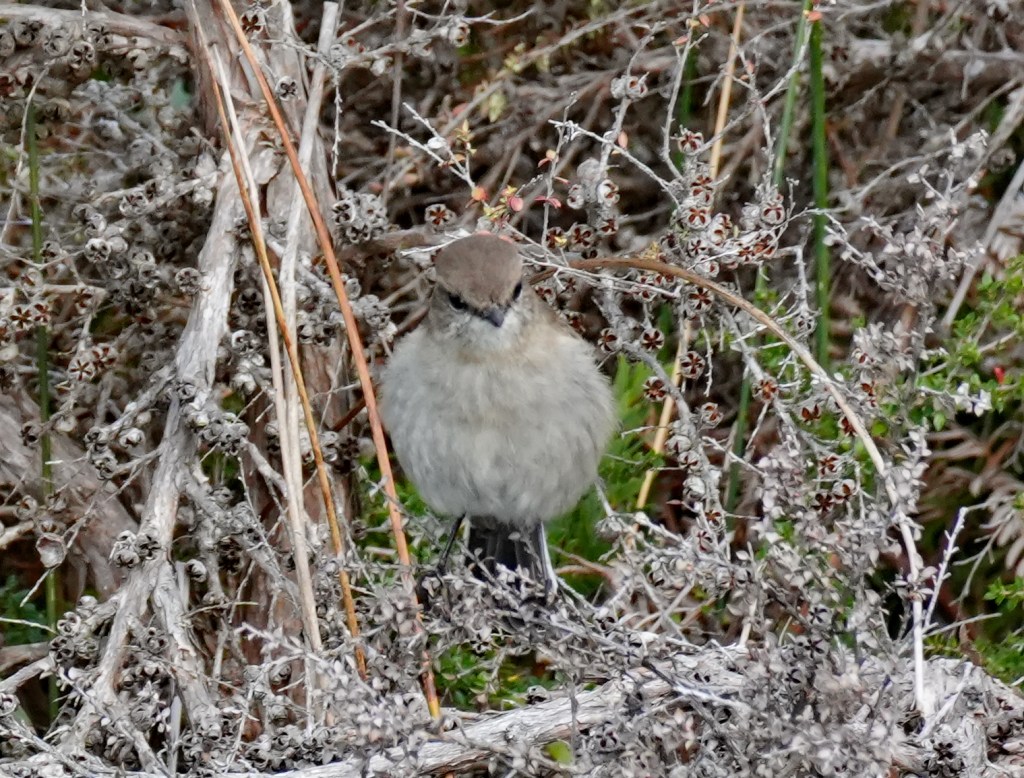
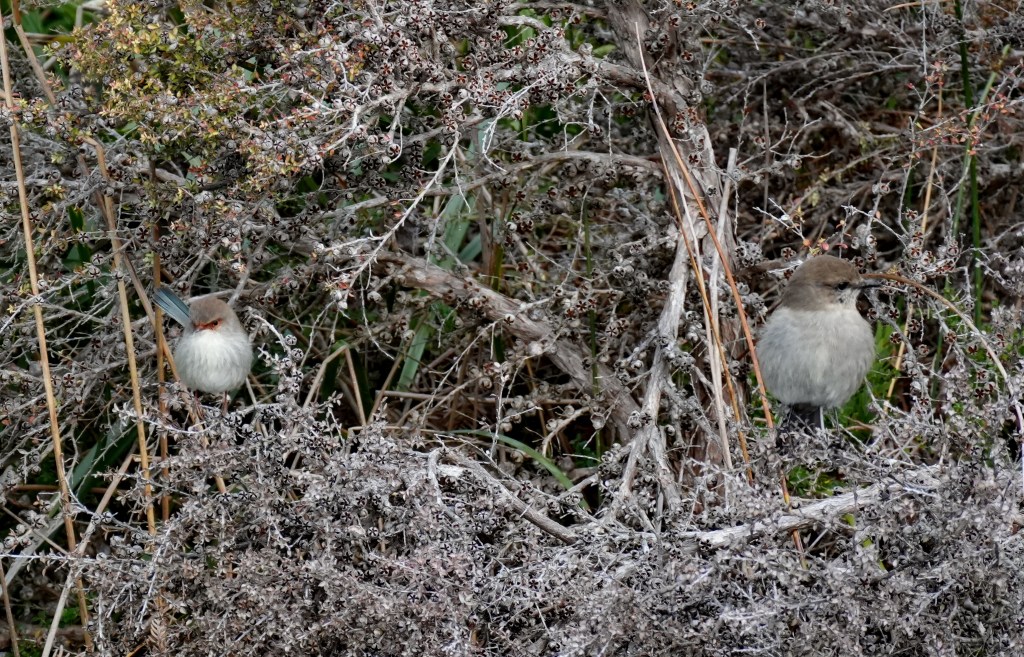
Another endemic bird we saw near the lighthouse was the Dusky Robin. An immature Dusky landed near the female Superb Fairy-wren. The adult was also seen.
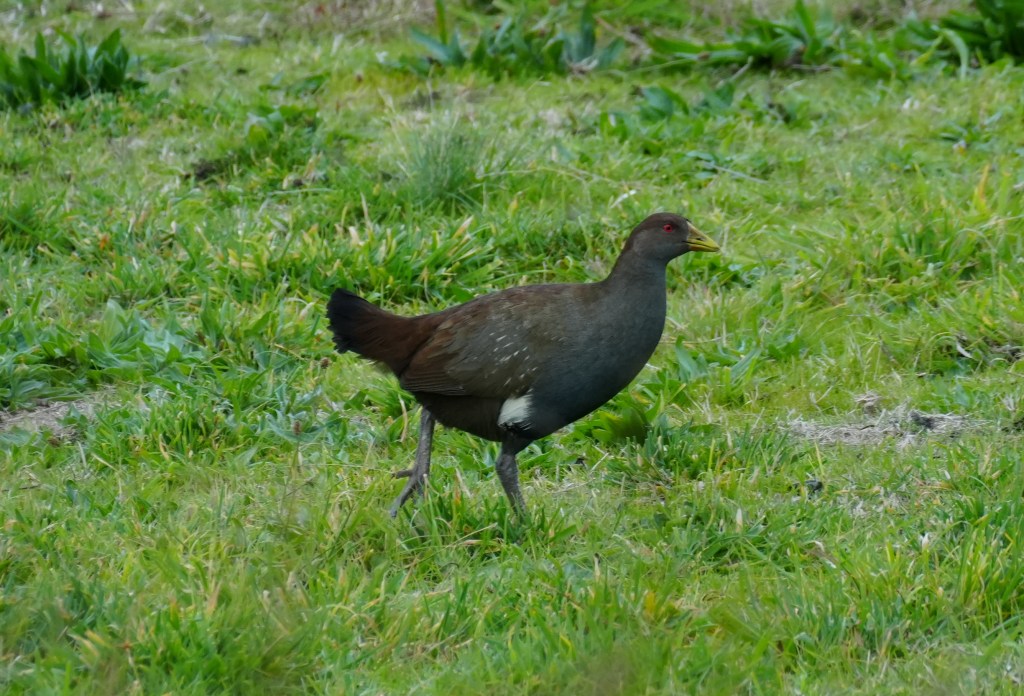
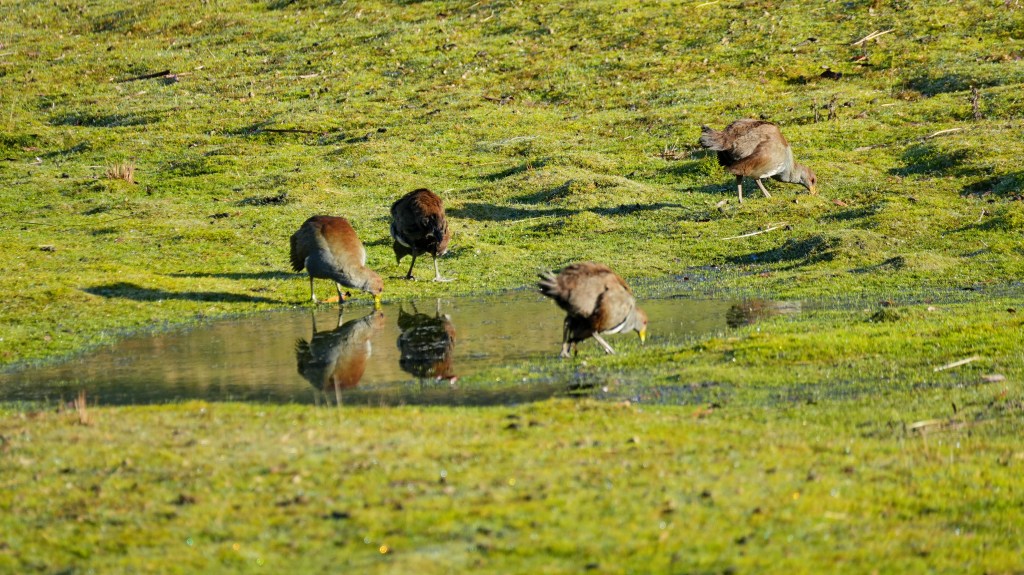
The first endemic bird we saw on our arrival in Hobart and commonly seen grazing in the fields and towns throughout Tasmania was the Tasmanian Native Hen, known to the locals as the Turbo Chook. Though it can no longer fly, it can run at an amazing pace to escape humans and other predators. I noticed one chasing the Magpies away from its territory.
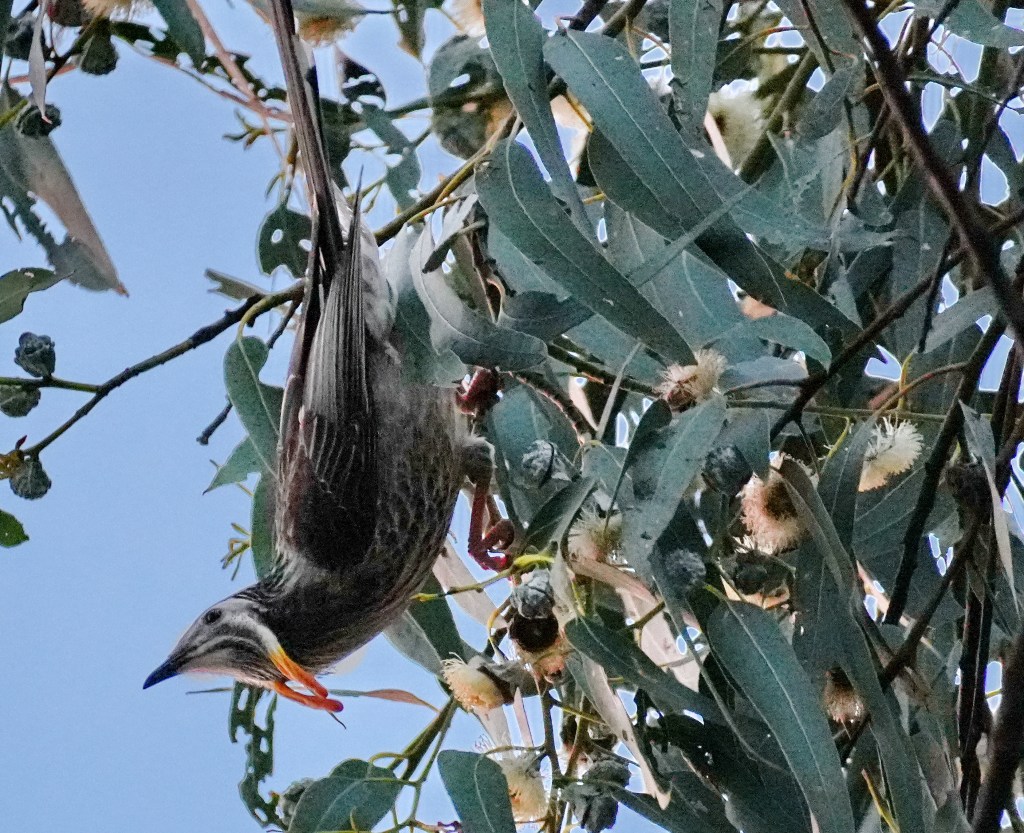
The second numerous bird we heard moving among the Eucalypt canopy was the Yellow Wattlebird, Australia’s largest Honeyeater. Notice the long dangling wattles which shine golden in the sunlight. Their call is like someone about to retch or vomit and is loud as they communicate to each other in the trees. You will hear its call below.
This honeyeater does not have a preferred tree but moves about seeking the currently flowering Eucalypts for food, particularly from the older forest trees which are being felled for timber, and thus reducing bird numbers.

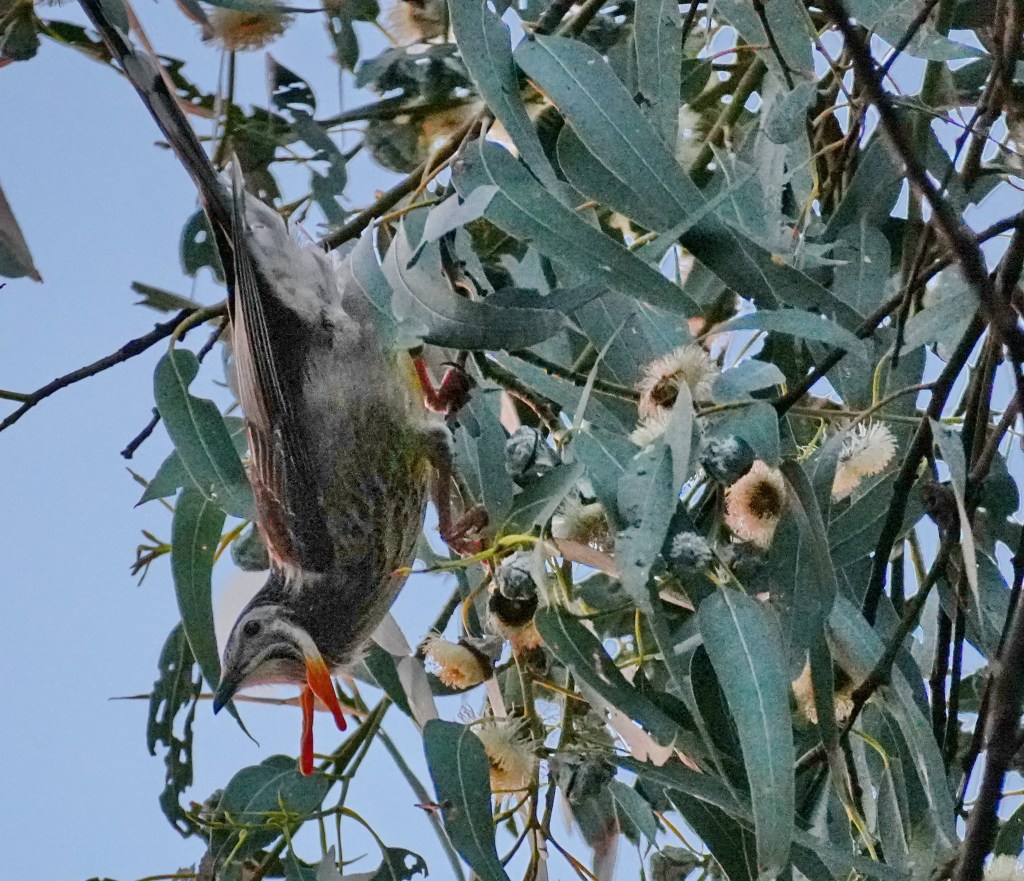
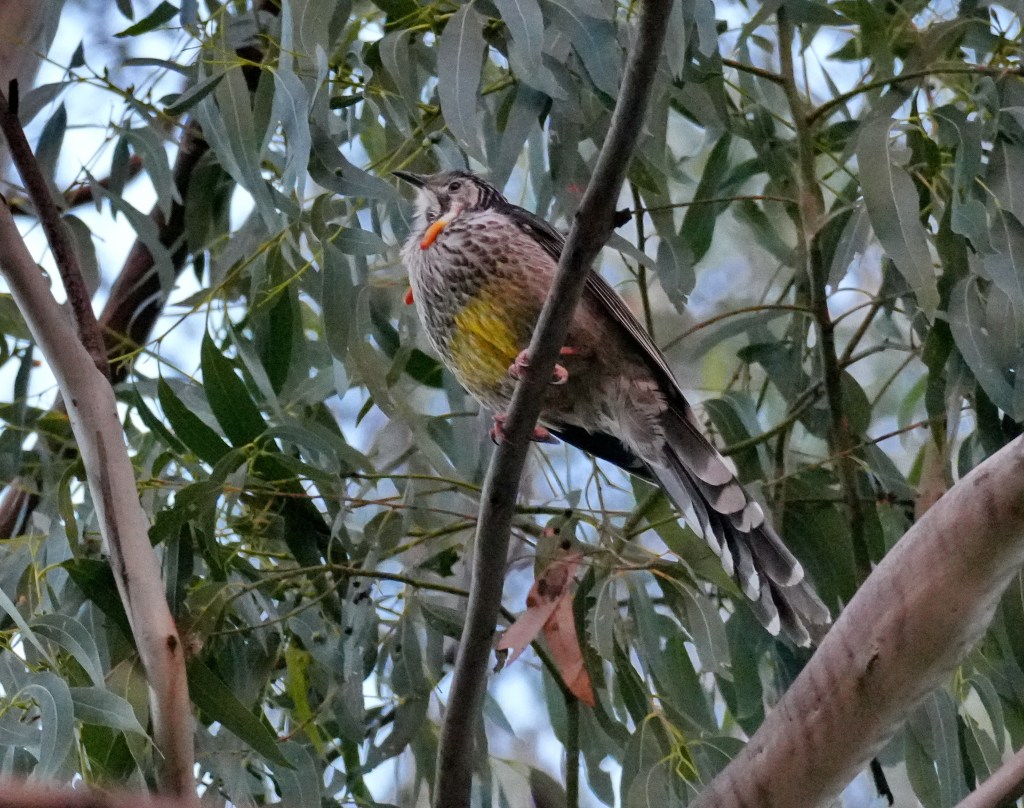
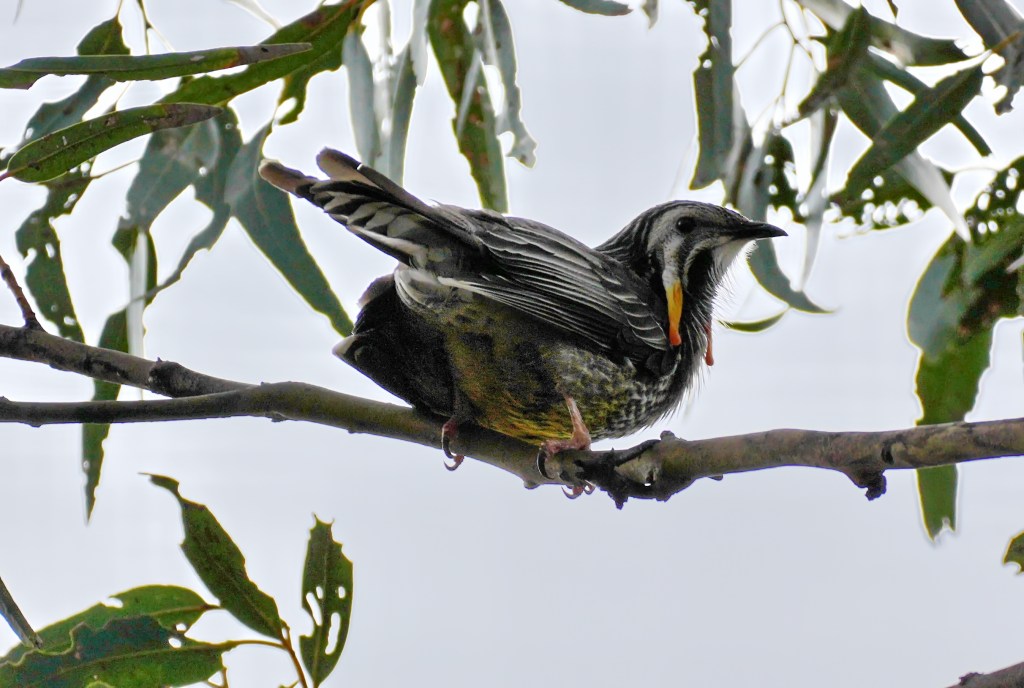
Yellow Wattlebird Calling
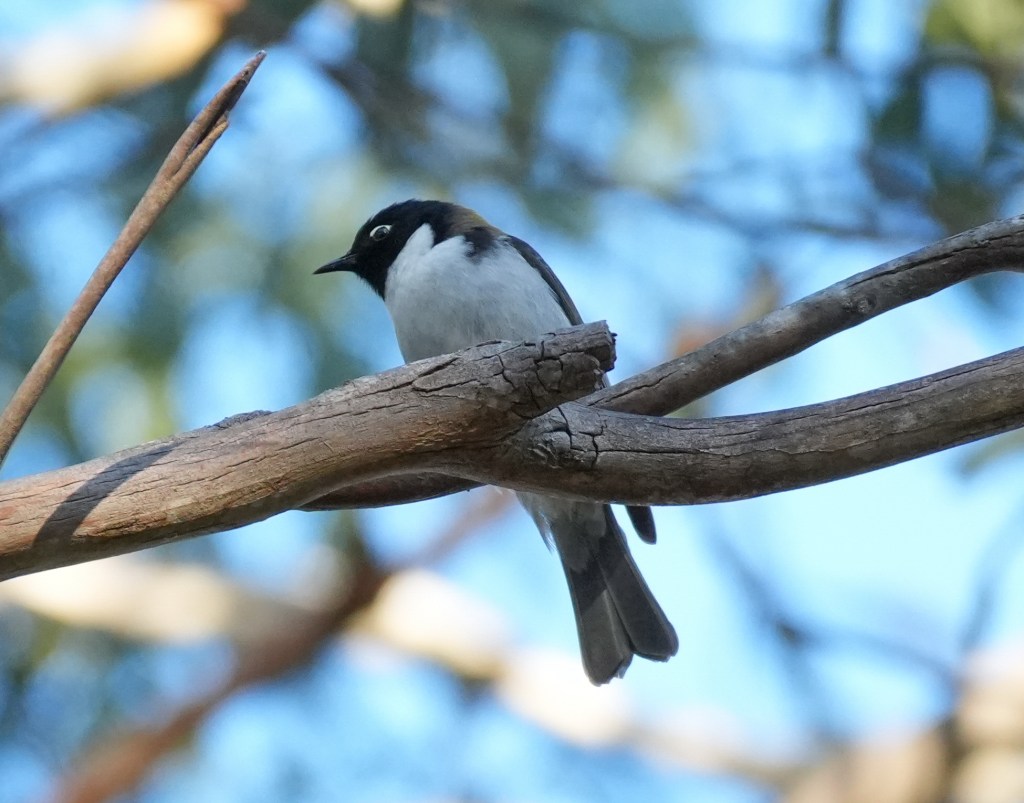
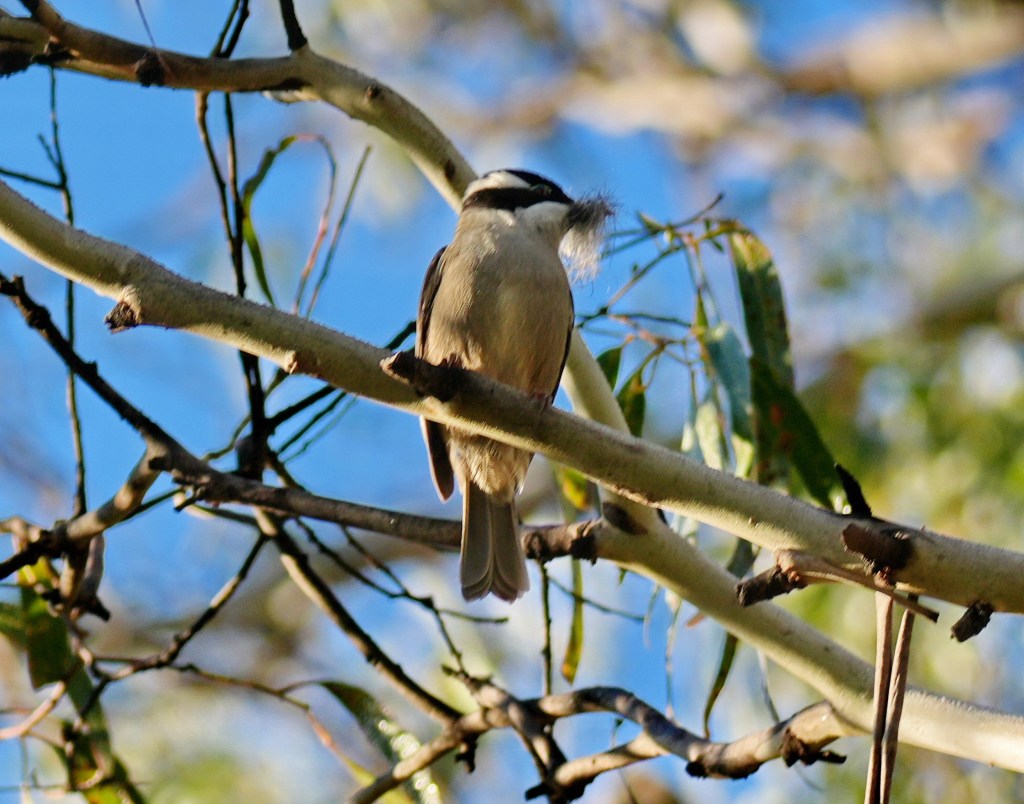
Other endemic honeyeaters we saw at Inala Nature Reserve were the Black-headed Honeyeater and the Strong-billed Honeyeater. They were busy among the White and Blue Gum trees after nectar, lerps, insects and manna, which the Pardalotes had made available to them also, though the Strong-billed Honeyeater looked like some nest building was taking place.

Bruny Island and Inala is an amazing wildlife reserve. I will share more endemics next week from Tasmania. One of the amazing creatures only seen on Bruny Island is its endemic White Wallaby. It is not albino it is actually white, and it is quite a blessing to see them, though we did see them on a previous visit because we searched for them, we did not see them on this visit.
Have a wonderful week and enjoy the birds !

Just as birds and animals are each endemic to a particular place in the world, and only appear there because they are born and die in the place where they are raised, so we too are born into particular families each with its own culture, family rules and country. We have no say in it whether born into wealth or poverty, war or peace, love or violence. Naked, helpless and dependant we come into the world and in a similar way we leave it, without anything we own or have acquired during our life accept the memory of our life and word and actions that our eternal souls carry with us when we appear before our Creator, Almighty God represented by the Lord Jesus who was the only truly righteous man who ever lived and whom was vindicated in his sinlessness by being raised from death back to life. The legacy we leave is not so much our material wealth, how much stuff we left them, but our relationships where people know how much we cared and loved them.
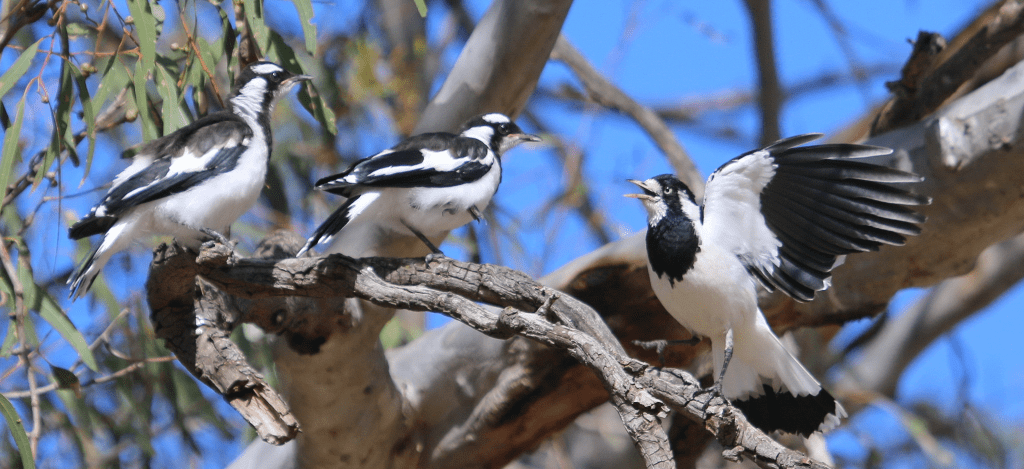
What we do with our life matters, to our family, friends and most of all to the One who created us to be his representative here on earth. Birds survive and flourish because they do what obediently they have been taught to live. They have spent weeks watching observing their parents so they can do likewise when it is their turn to be adults.
“And I tell you this, you must give an account on judgment day for every idle word you speak.” – Matthew 12:26 (NLT)
“For the wages of sin is death, but the gift of God is eternal life in Christ Jesus our Lord.” – Romans 6:23 (NIV)

Adv. Dip. in Counselling and Family Therapy.
Member of Birdlife Australia
To introduce people to our unique Australian birds,
And learn from them how to live a healthy and happy life.
NOTE: All photos, videos and music used on this website are photographed, composed, performed by the site owner and remains his copyrighted property, unless otherwise stated. The use of any material that is not original material of the site owner is duly acknowledged as such. © W. A. Hewson 2015, 2016, 2017, 2018, 2019, 2020, 2021, 2022, 2023, 2024, 2025, 2026

My wife and I share a love of bird observing and bird photography which takes us all over Australia. We love sharing our experiences. Birds live in the beautiful parts of our country. We always get blessed with beautiful gifts of new birds and unexpected experiences each time we go out birding or just walking in the parks and reserves in our wonderful land. We love Australia, and the variety that each state and region offers in its wildlife and nature aspects. Join us in sharing our love. We have always found other birders enthusiastic and friendly people who appreciate the good things in life.
 Introduce your child to our amazing
and interesting birds.
Over 100 beautiful photos with
facts on how they do life, from
which we learn helpful life skills.
Click image above to Find out more and Buy the Beautiful Bird Book
Introduce your child to our amazing
and interesting birds.
Over 100 beautiful photos with
facts on how they do life, from
which we learn helpful life skills.
Click image above to Find out more and Buy the Beautiful Bird Book

Flight of a Fledgling similar to my first book uses the interesting lives of birds to teach valuable life skills.It is written expressly for teens and young adults as they prepare to leave the Nest. It helps them to better understand themselves and improve their personal relationships and better prepare for lifes challenges. Click on the above cover to find out more and purchase online.



 If you are a birder visiting the Sydney region for the first time, check out the many National Parks (NP) that surround it for the great variety of birds found there. The Visitor Information centres at The Royal NP, Botany Bay NP, Fitzroy Falls and Minnamurra NPs have information and also sell my Beautiful Bird Books. If you follow this blog, make a date with Aussiebirder before you arrive for info tips or a visit.
 aussiebirder
It is always exciting to ‘follow along’ your trips around your vast and beautiful country. It must have been exciting to see additional lifers while experiencing their unique natural environments. Our avian friends never cease to surprise and amaze at how well they have adapted to their world… You are right in how we humans have caused much damage to them (and in turn, our world) over a relatively short period. I always try to hope that by becoming more aware and in touch with birds and our surroundings, we as a species will have a better awareness of the consequences of our actions. I love the subtle beauty of the Dusky Robina and the image with juvenile Dusky and female Fairy Wren was especially charming.
The rainy season has ended in Japan and we are preparing to experience yet another record-breaking summer… We pray it is not too cold in your city right now.
Have a blessed week ahead dear friends!
LikeLiked by 1 person
Thanks Takami for your welcome comment. Yes it is sad how our human disregard and ignorance is destroying habitat for wealth and so called progress. The Robins are all beautiful and curious little birds. I love how the bellies of the Flame and Scarlet stand out so boldly at a distance being so small in size. We do hope your Summer is better for you this year. The weather world wide speaks so much of Last Days phenomena with all the floods and droughts and earthquakes. We have had devastating floods in our state and more rain than ever recorded in some places this winter. Normally winter is dry and lovely, but hardly any birds have remained due to the wind and rain. Have a wonderful week my friend.
LikeLiked by 1 person
Good to see you were able to observe some of Tassie’s endemic wildlife while on your trip down south. Good spotting of a yellow wattlebird, I have only seen one a few times. I think I only ever saw two white wallabies when I went to Bruny, and they were in the distance so it was hard to get good photos. Sounds like you had a really great time. 🙂
LikeLiked by 1 person
Thanks Sue, yes we did enjoy our time in Tassie, especially Inala nature reserve which we recommend, though expensive is worth the stay and certainly the all day Inala tour. The accommodation is modern and lovely tucked away in the reserve. We were near the pool where the Pink Robin come but sadly we never saw one, though the Scarlets came and checked us out. We spent some time pursuing the Yellow Wattlebirds and managed some reasonable shots when the light was on them. We did not get to see the southern lights on this occasion due to cloud etc.
LikeLiked by 1 person
Shame you didn’t get to see an aurora this time around, but it gives you another reason to come back to Tassie! 🙂
LikeLiked by 1 person