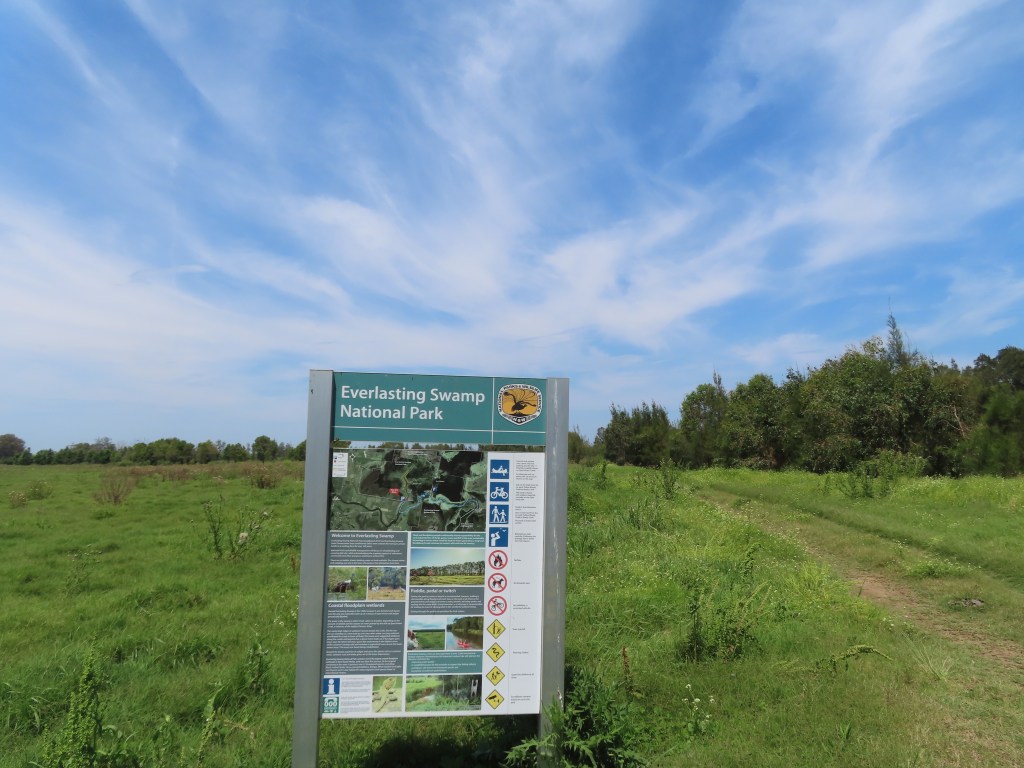
Leaving Port Macquarie my wife and I drove further north to Grafton in search of the Everlasting Swamp National Park, which was written up as ‘having more species of bird […]
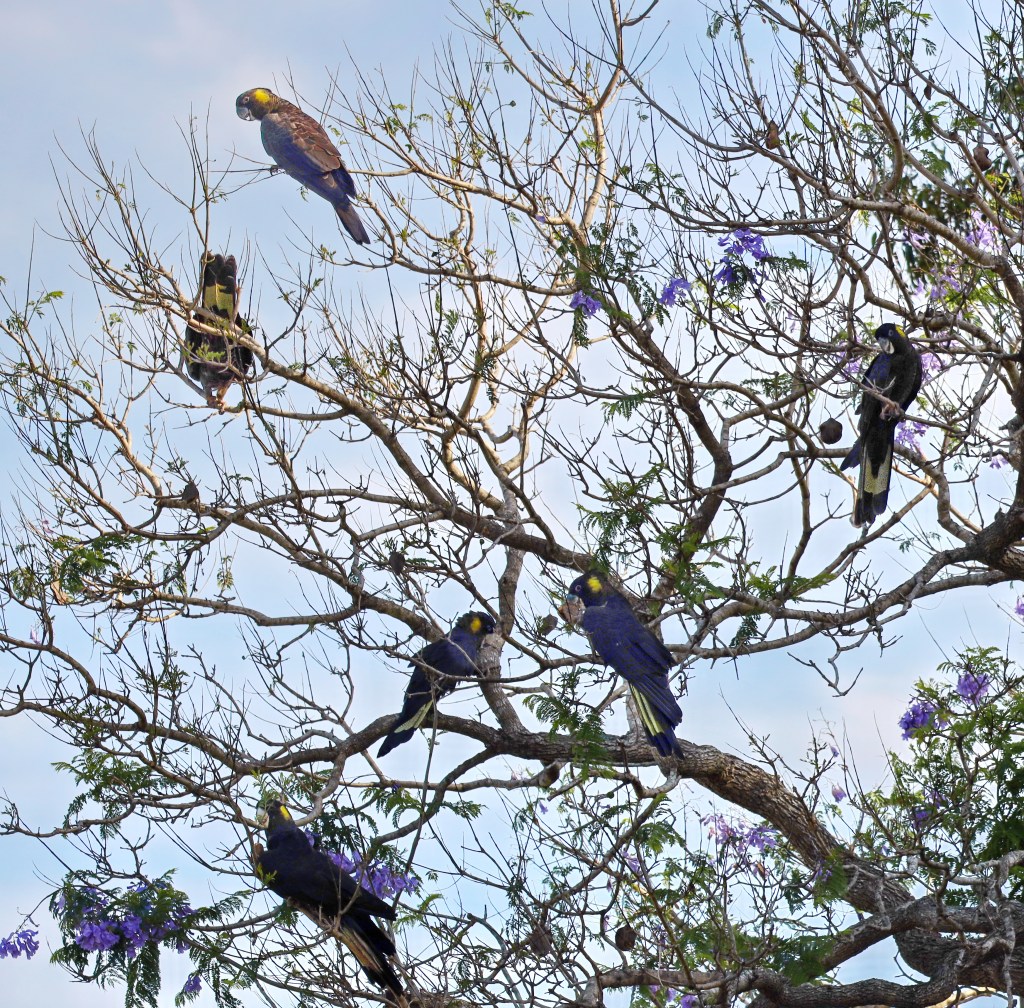
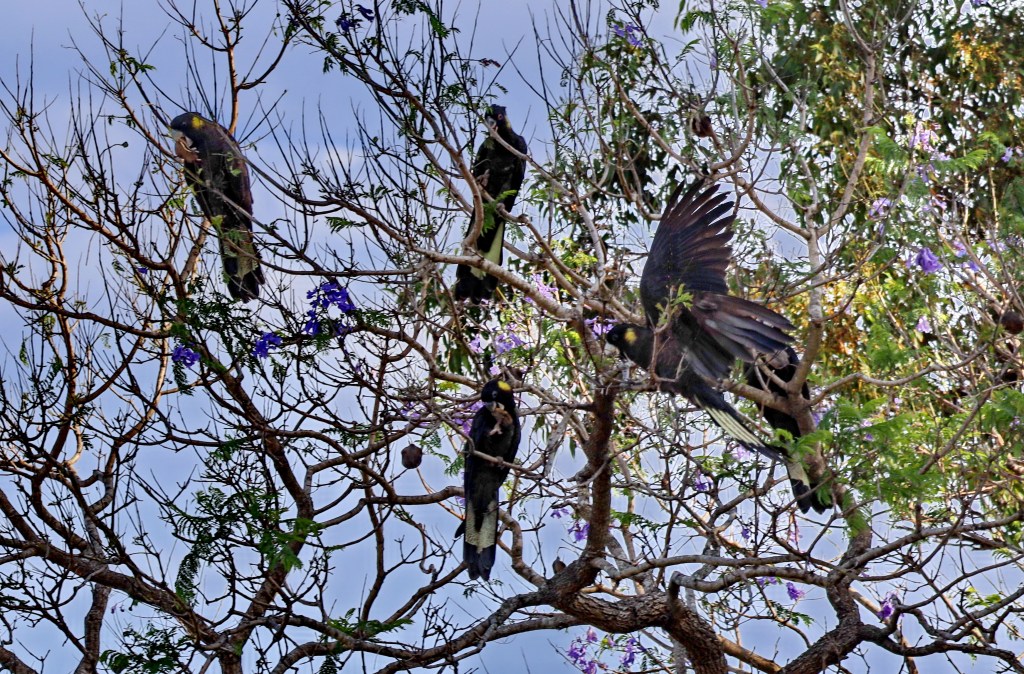
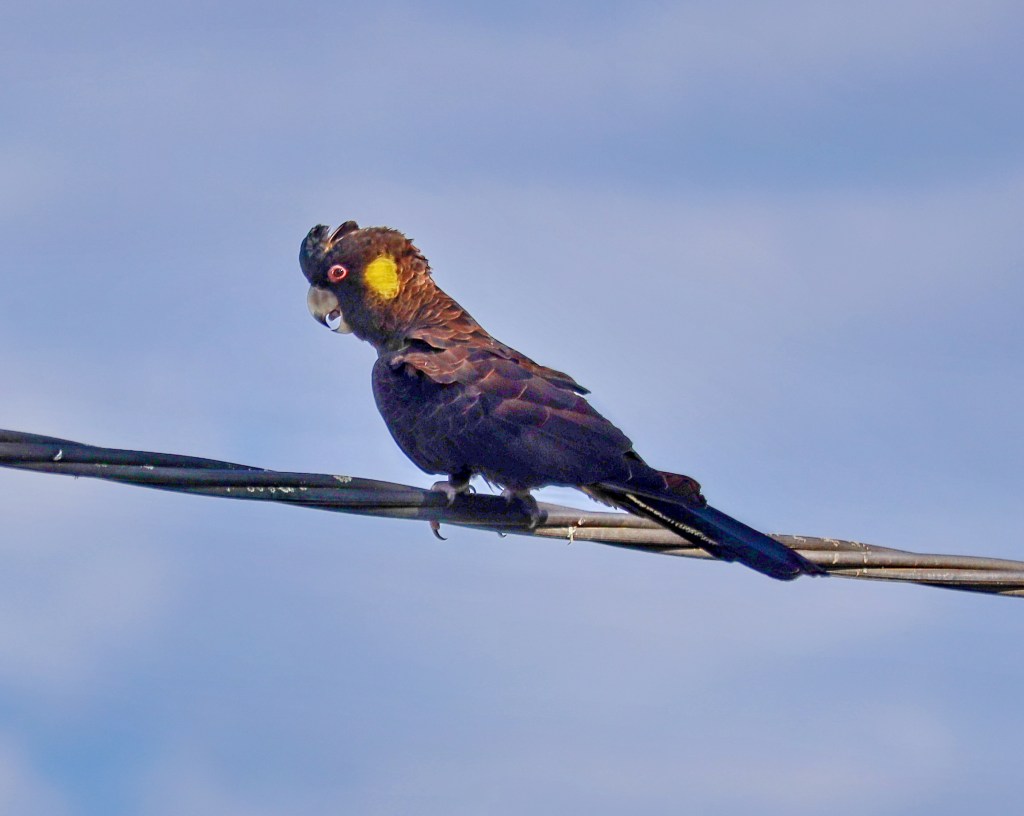
Leaving Port Macquarie my wife and I drove further north to Grafton in search of the Everlasting Swamp National Park, which was written up as ‘having more species of bird than Kakadu NP’. We had never read about it before so we were excited to check it out while the weather was still favorable, as it gets very hot, steamy and stormy as Summer comes. We were hoping to see two native birds we never see around home, Australia’s only endemic Stork: the Jabiru (or Black-necked Stork) and Australia’s only endemic Crane: the Brolga. As we drove out late in the afternoon to locate the swamp for tomorrow’s exploration we noticed this flock of Yellow-tailed Black Cockatoo feeding off the seed pods of the Jacaranda trees that line the roads of Grafton. The annual Jacaranda Festival finished a couple of days ago. We were hoping to see the beautiful purple carpet of flowers along the road, but alas, a huge storm came the day before and denuded most of the trees and road, leaving a remnant of its glory. The Jacaranda Tree is not a native to Australia but was introduced from South America many yeas ago by the white settlers. The Cockies enjoyed the feast of seed now that the trees had finished flowering. The video below shows how the birds move between branches. Small birds leap across but the large Cockatoo uses a Beak to Claw process.
Female has no eye ringfeeding in the Jacarandafeeding flock frenziepart of one Jacaranda avenue with denuded treesMale has a red eye ring
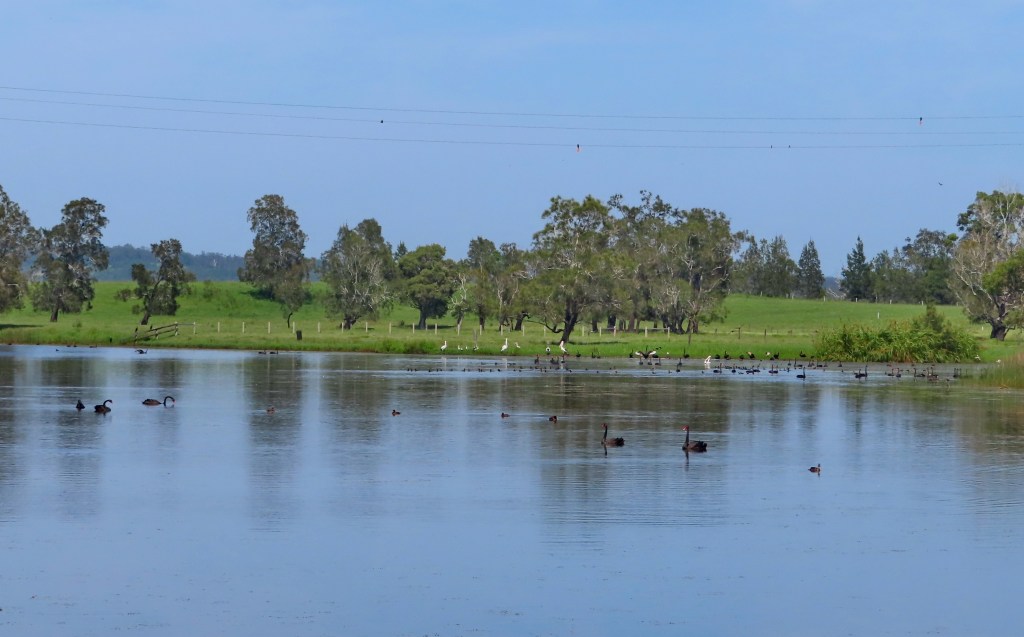
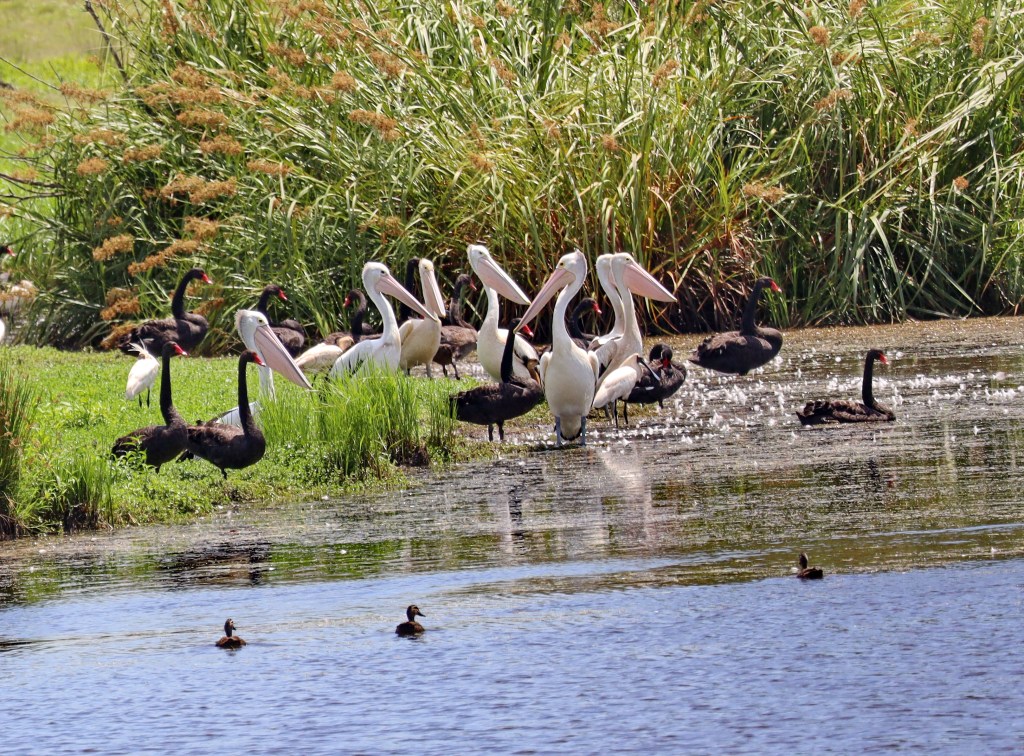
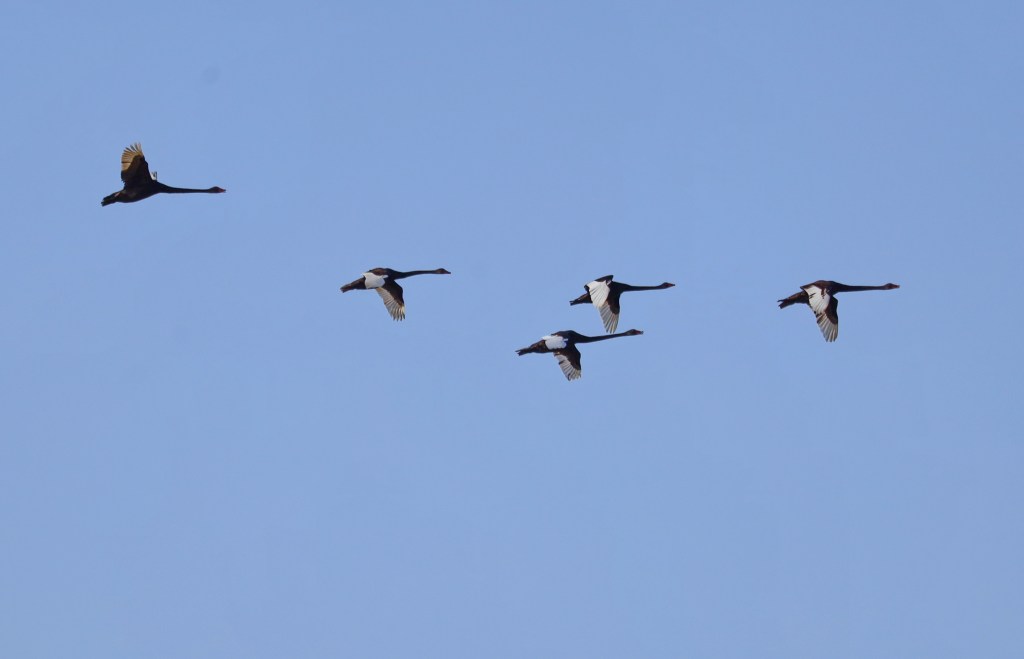
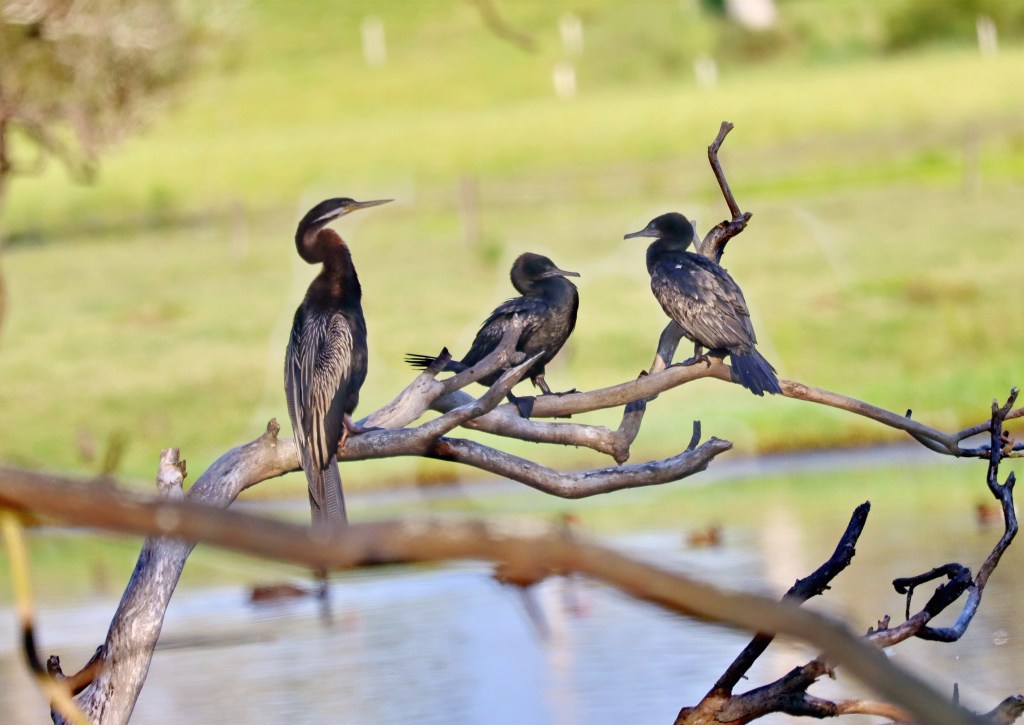
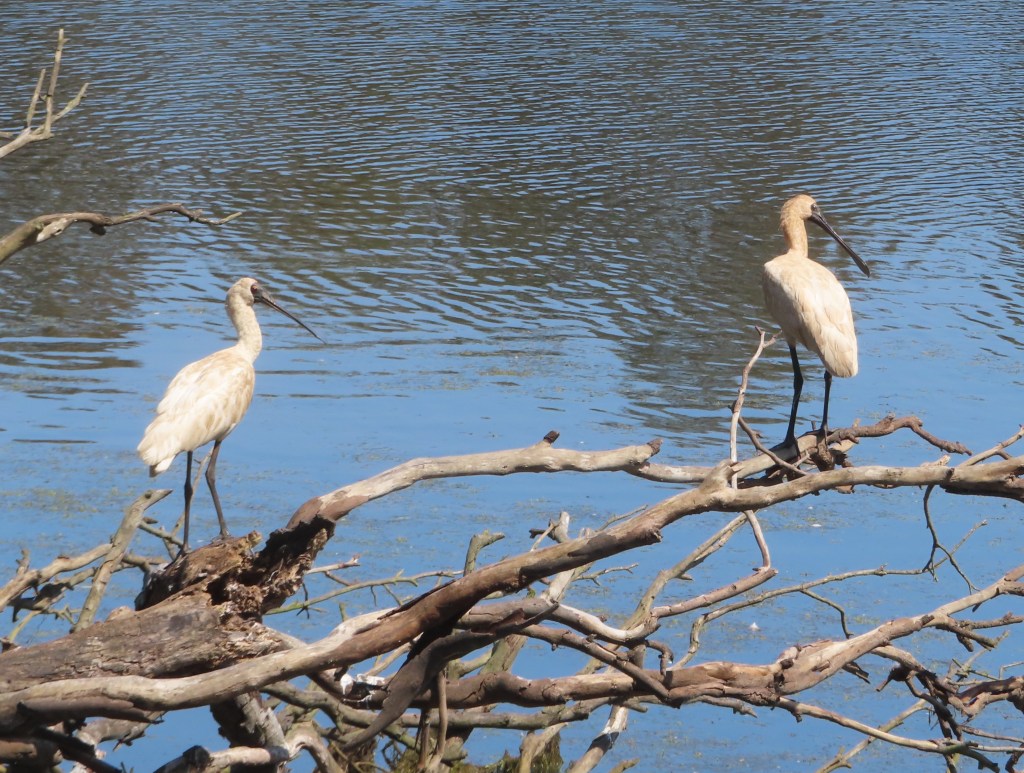
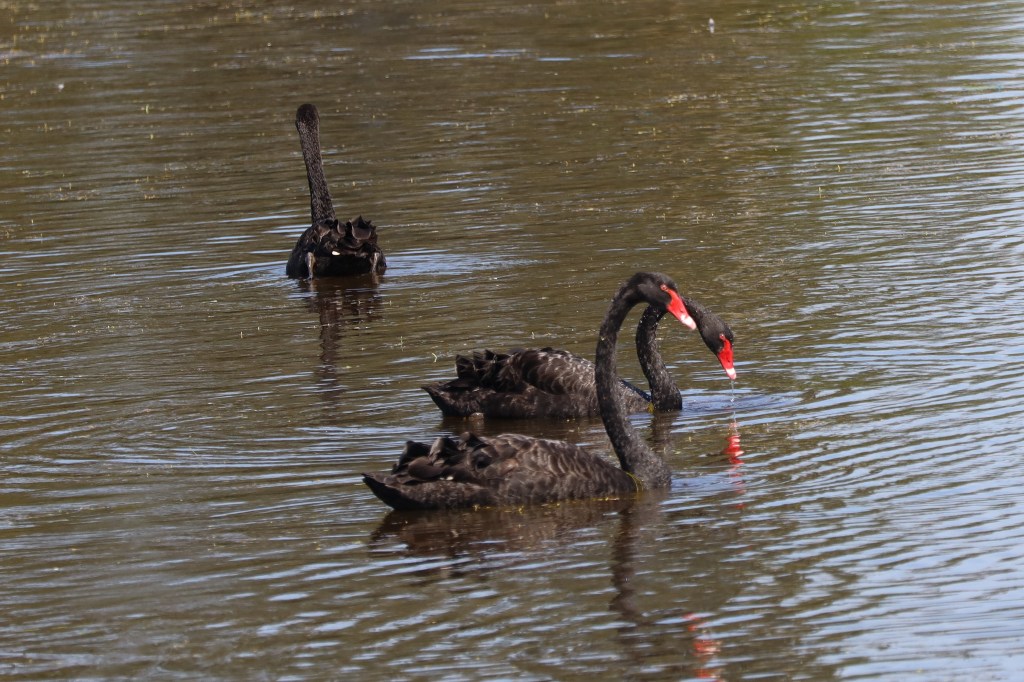
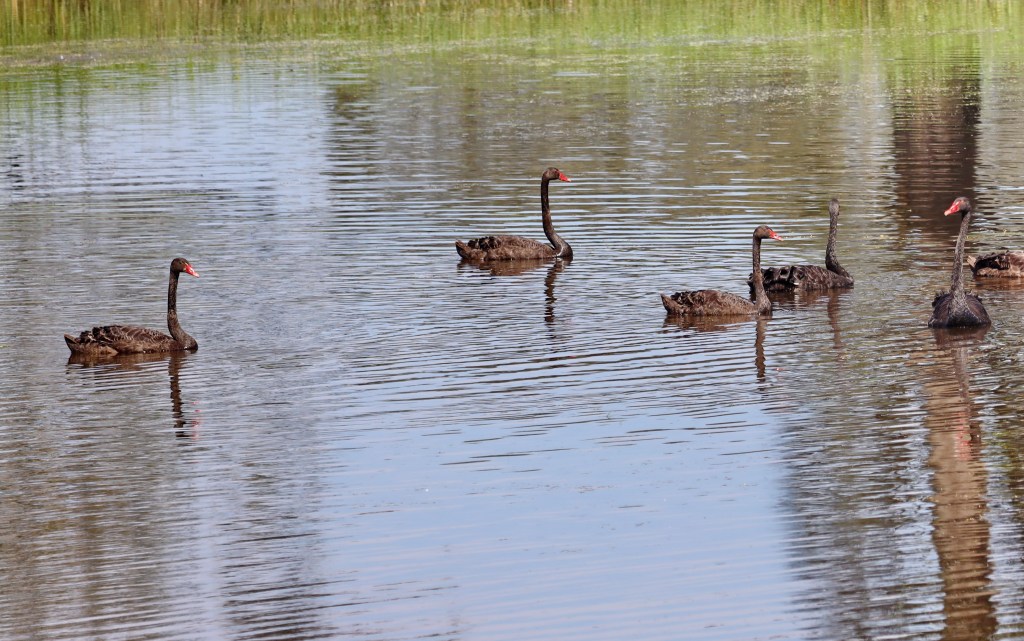
Next morning we drove out of town into the sugarcane growing areas along the mighty Clarence River and turned down the narrow road toward the swamp, which when we finally arrived, appeared to have dried up, and did not appear to be everlasting at all, though it did continue to appear lush and green as seen below. At first as we passed cattle through properties we followed a creek which hosted large flock of Australian Black Swan with their young, among several species of other waterbirds and waders including Black Duck, Hardhead, Little Black Cormorant, Australasian Darter, Royal Spoonbill etc. But as yet we saw no sign yet of the swamp. It was a very serene scene. Click on images to enlarge them.
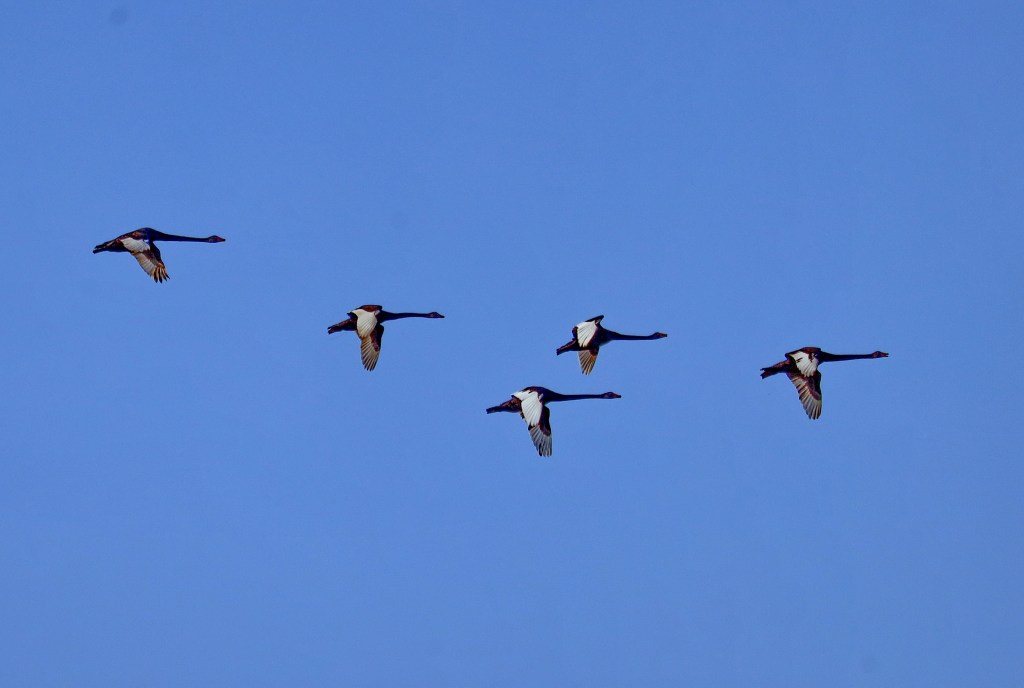
A Serene Scene Australian Pelicans resting among the SwansBlack Swan in flightRoyal SpoonbillBlack Swan in flight formation
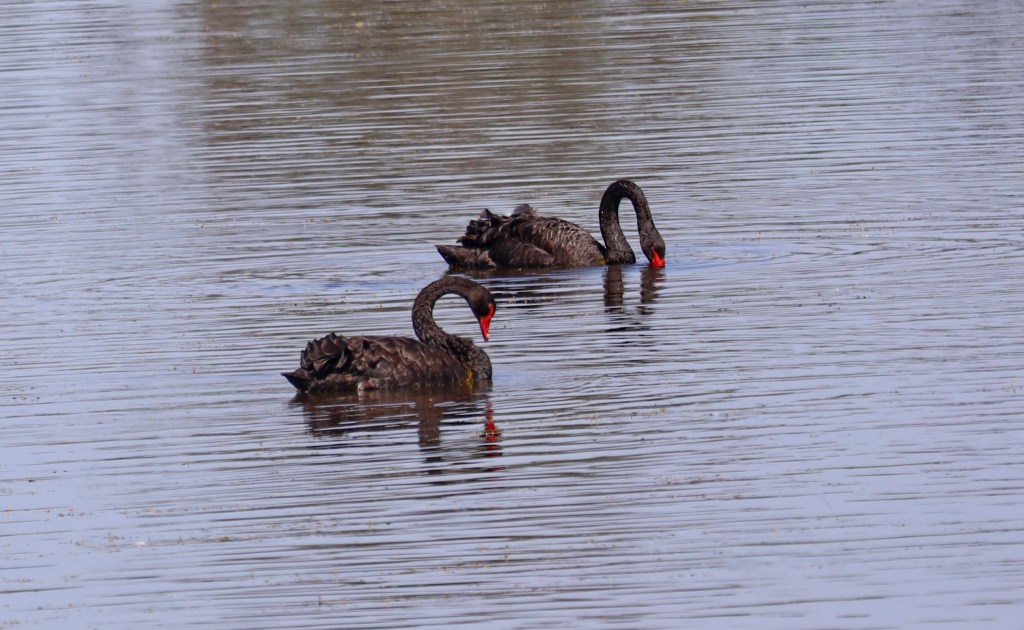
The Black Swans are so elegant and peaceful to watch as they move slowly around in the water.
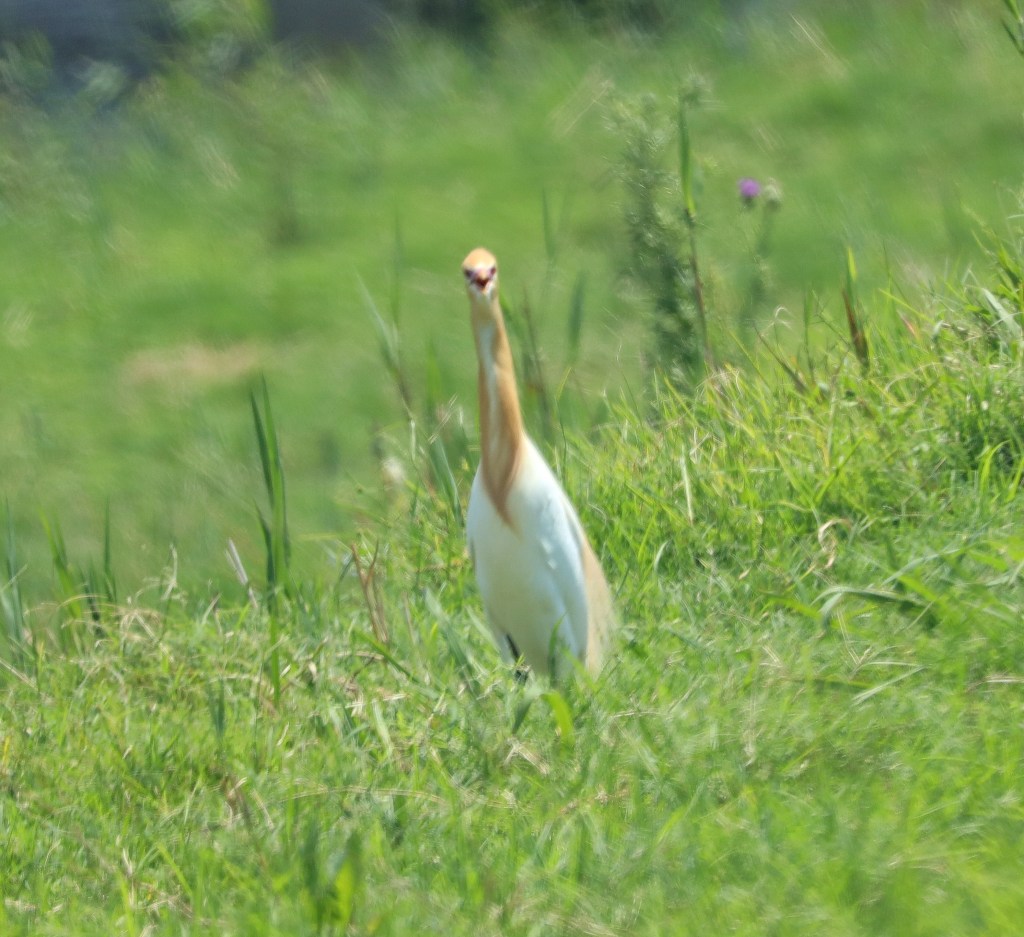
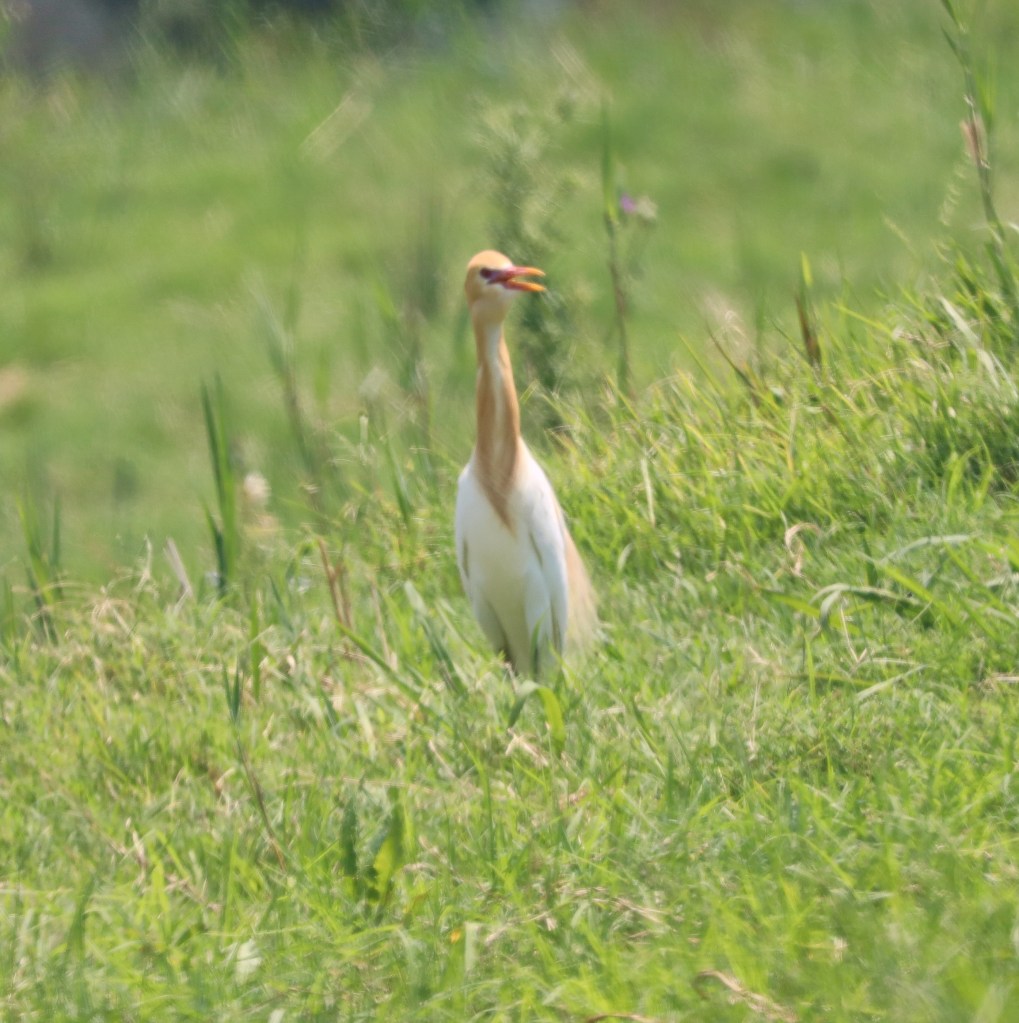
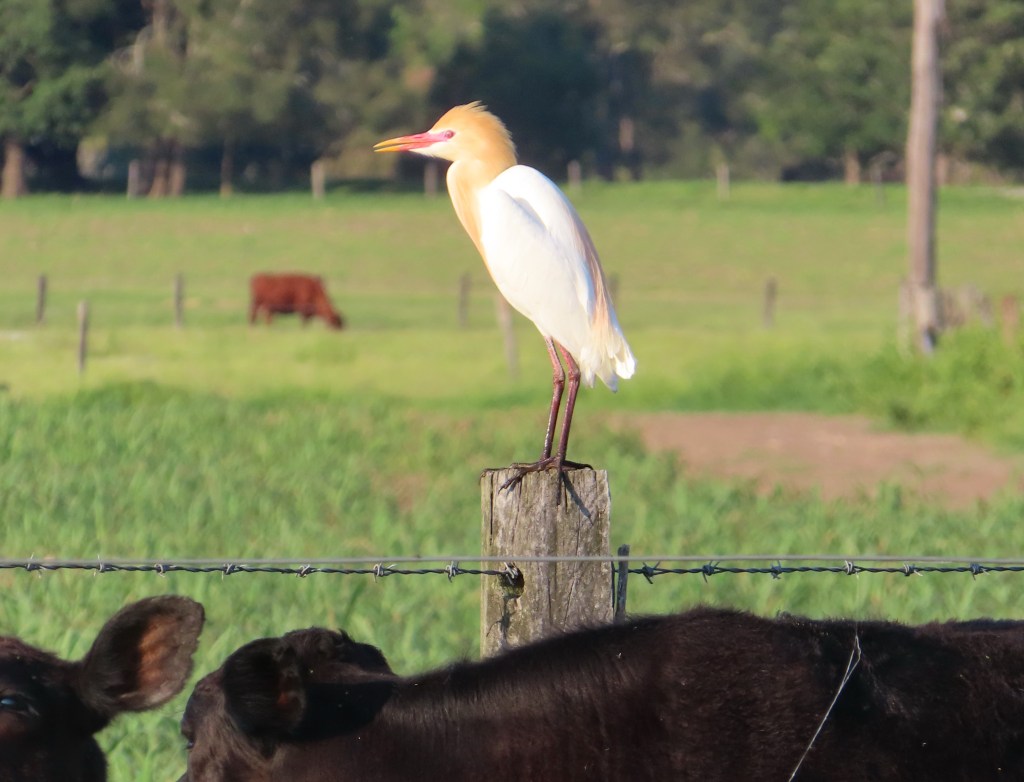
Early the next morning in steamy 37°C heat we made our way back in search of the swamp. After navigating a small herd of cattle with their calves we made out way to the swamp. We were blessed seeing the Cattle Egret in its breeding plumage morph, gradually changing orange as they soon depart the cattle to nest together. These birds have a symbiotic relationship with the Bovine species, as the birds remove insects that irritate the beasts from their backs. It is a win-win situation.
stretch of the neck signifies feeling threatenedCattle Egret
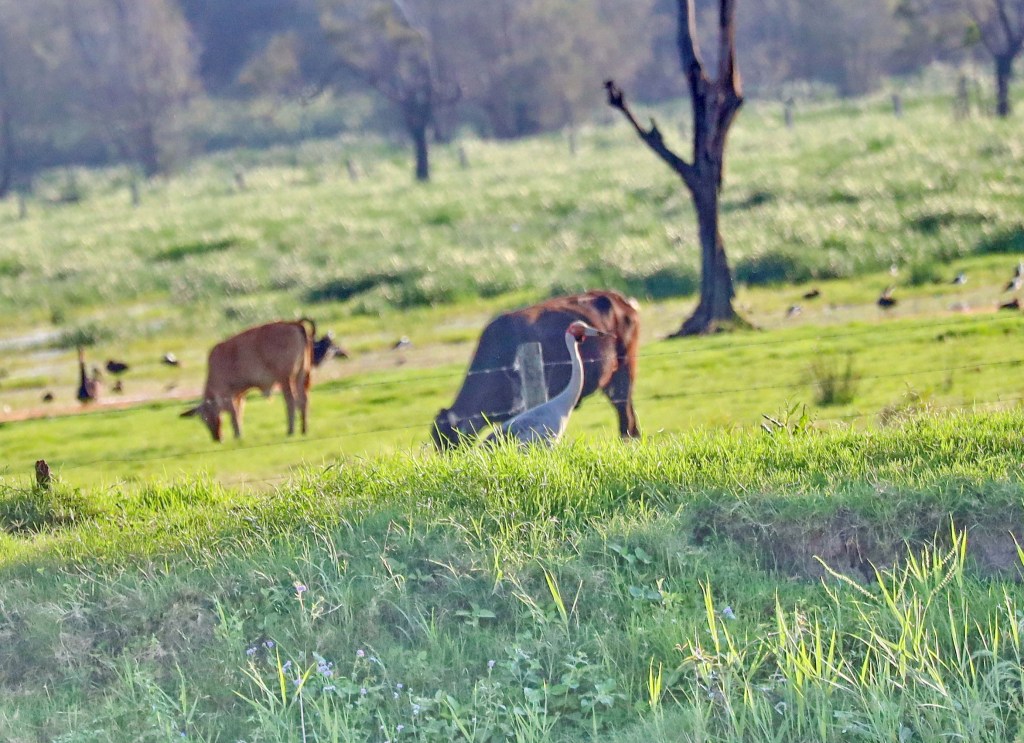
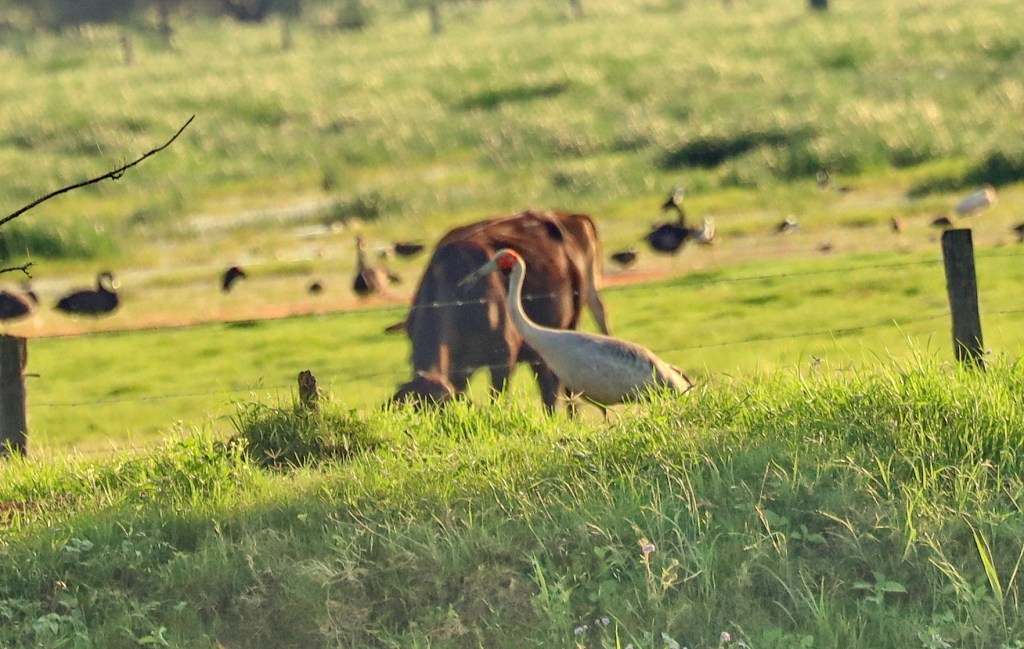
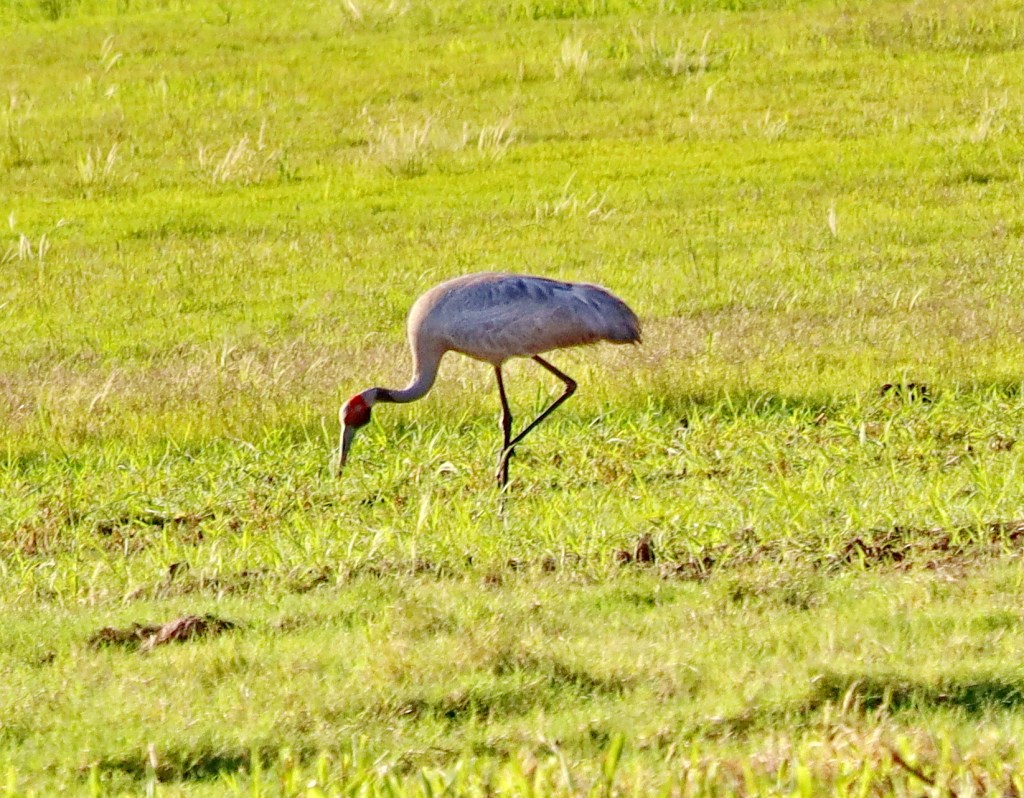
Finally, my wife with her bird spotter eyes looked across the creek and saw a pair of Brolga some distance away in poor light, we had finally found them so after taking some photos we moved on to the swamp where we met a couple of birders who told us we needed to come early in the morning to find the Brolga among the sugarcane plantations nearby. After a drive down the track into the park with the heat intensifying we drove back to our accommodation and prepared to return very early before breakfast the next morning.
The Everlasting Swamp
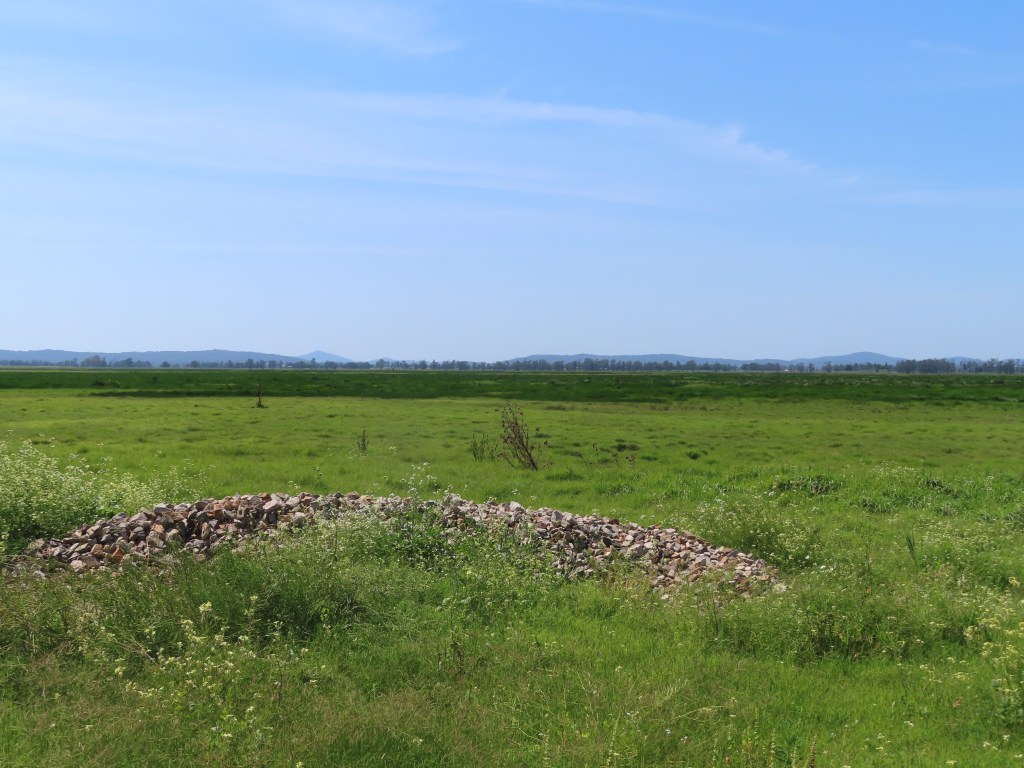
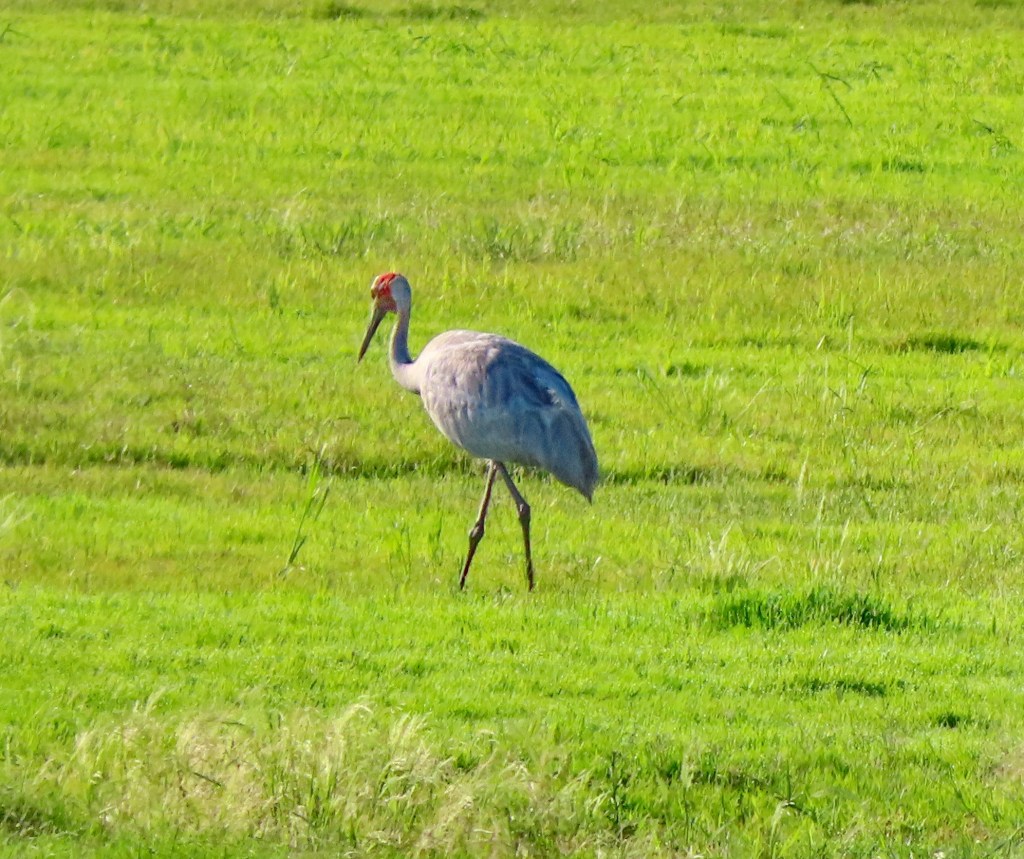
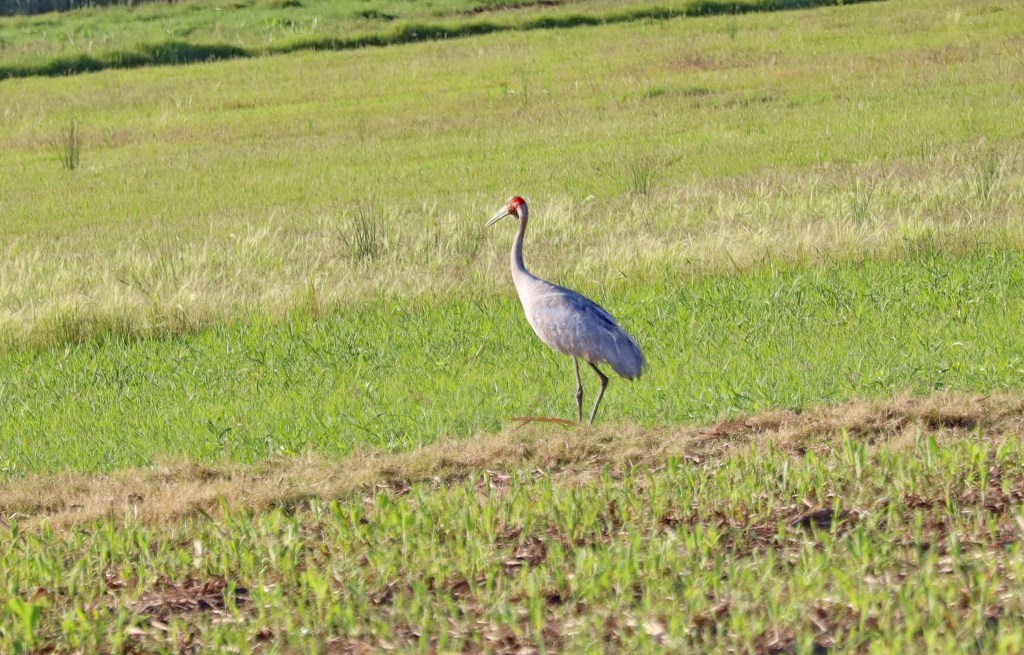
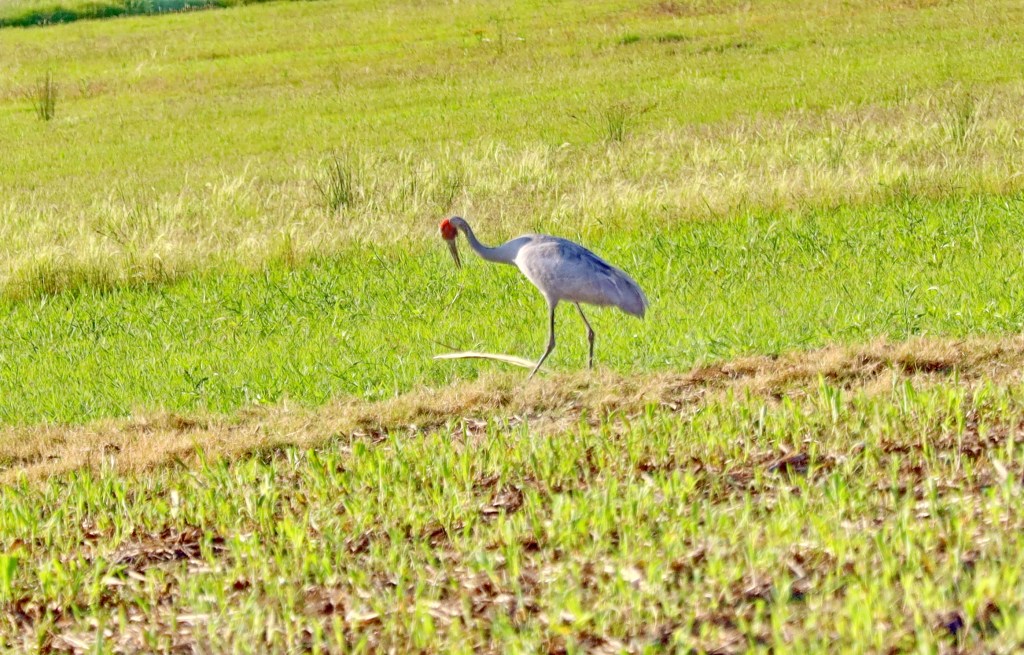
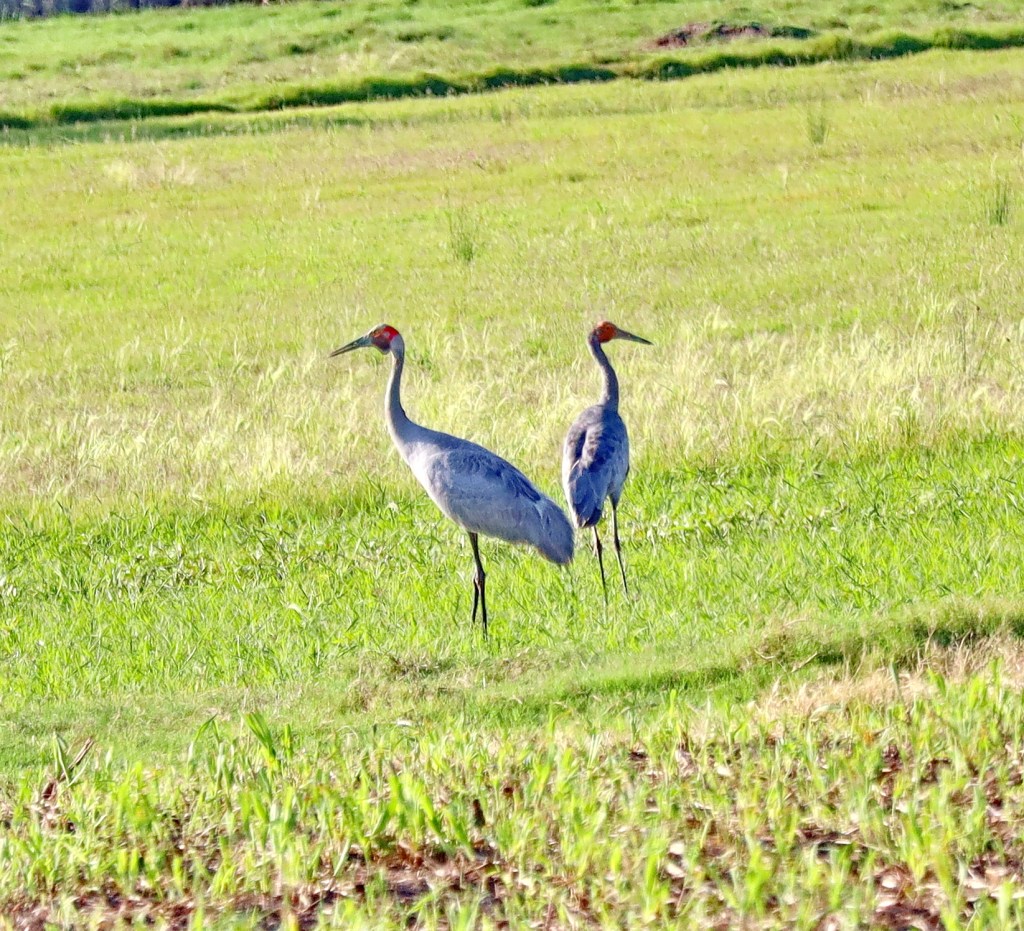
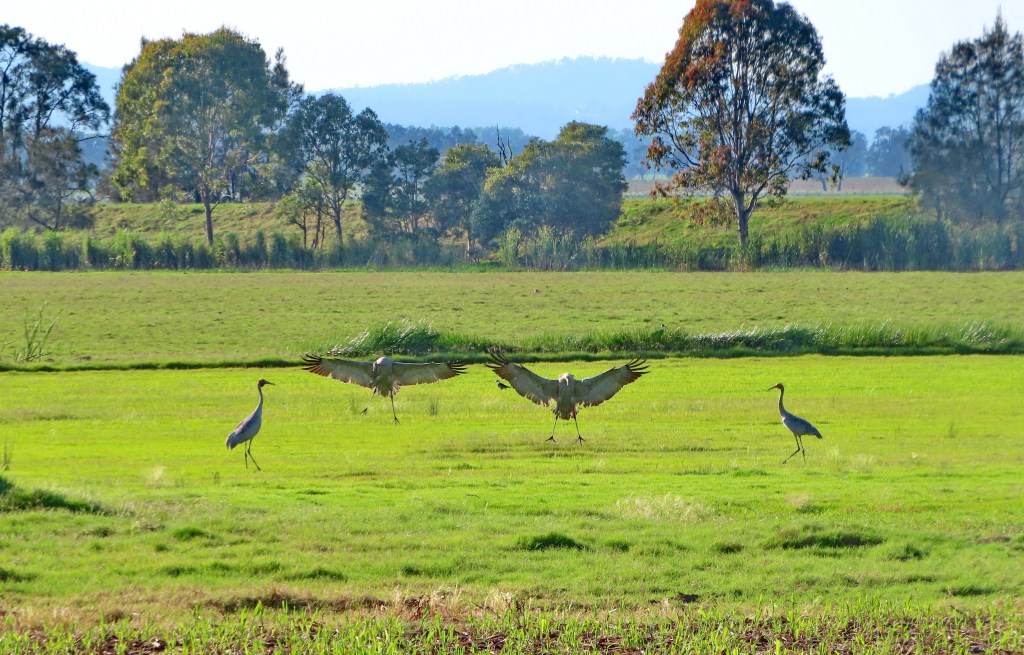
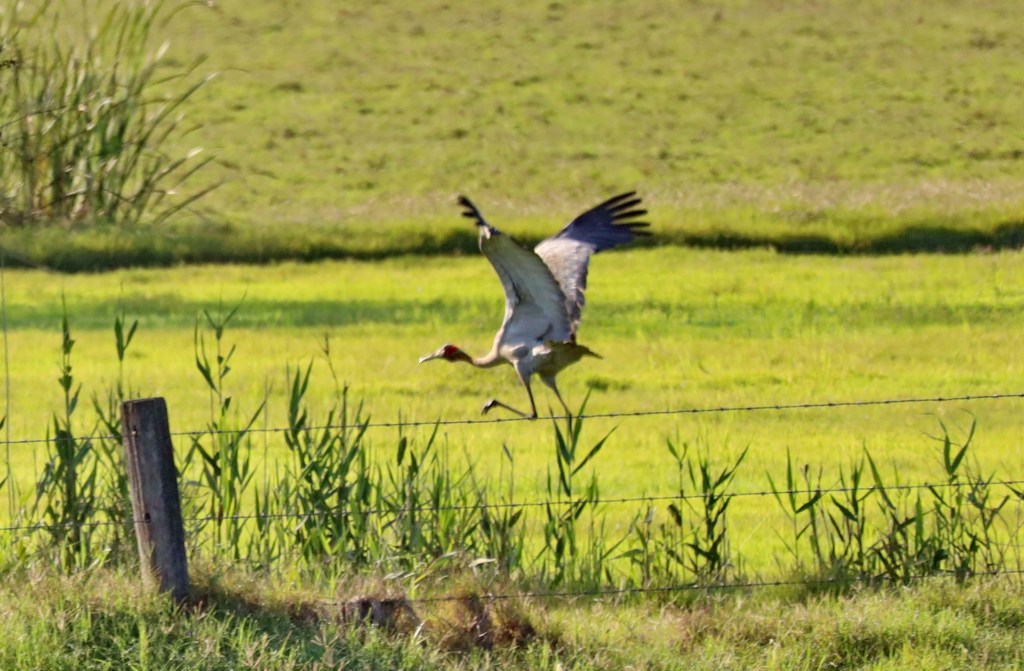
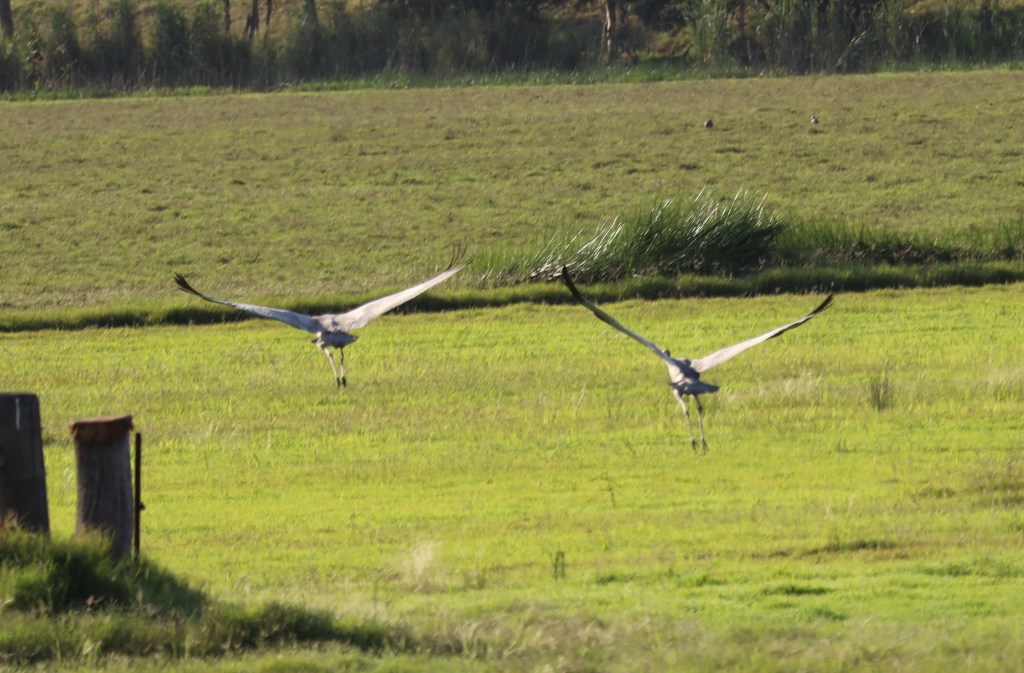
Early next morning we drove back to the massive Everlasting Swamp. The swamp may have been beneath the greenery making it currently only observable from the air. My wife and I had been praying as we drove asking our Lord to grant us better and closer view of the Brolga. Thankfully we had not even reached the swamp when a pair of Brolga landed in the paddock we were driving past. One of the pair briefly started to do the courting dance but then ceased. They were later joined by another pair and after a dispute one pair flew off.
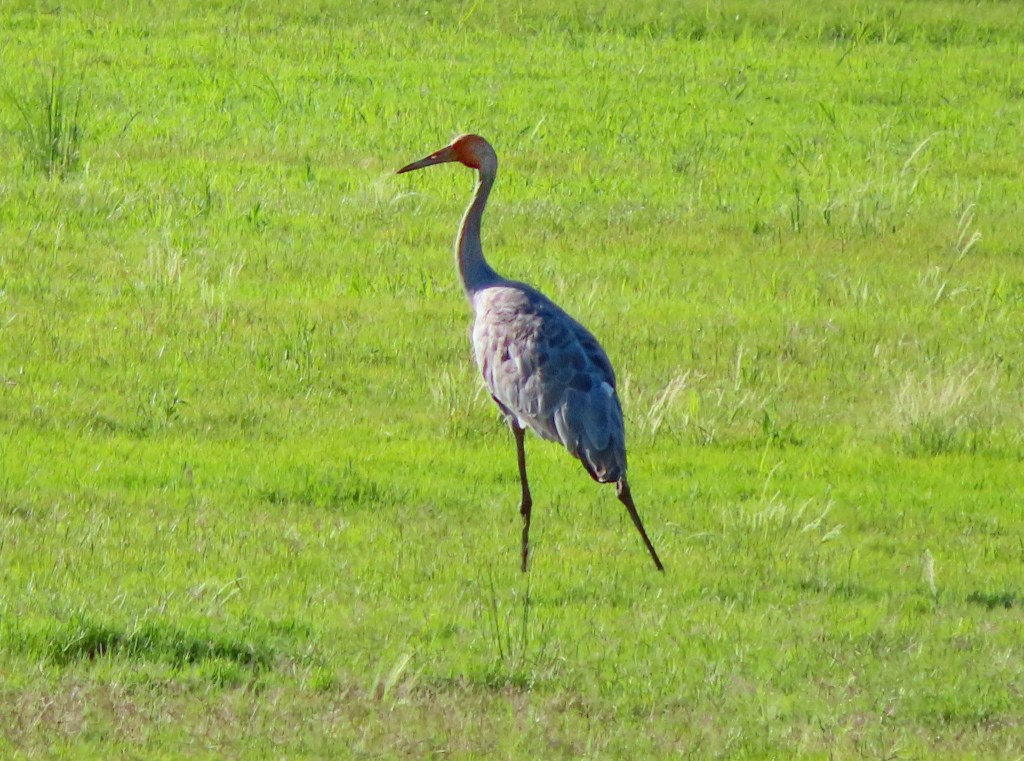
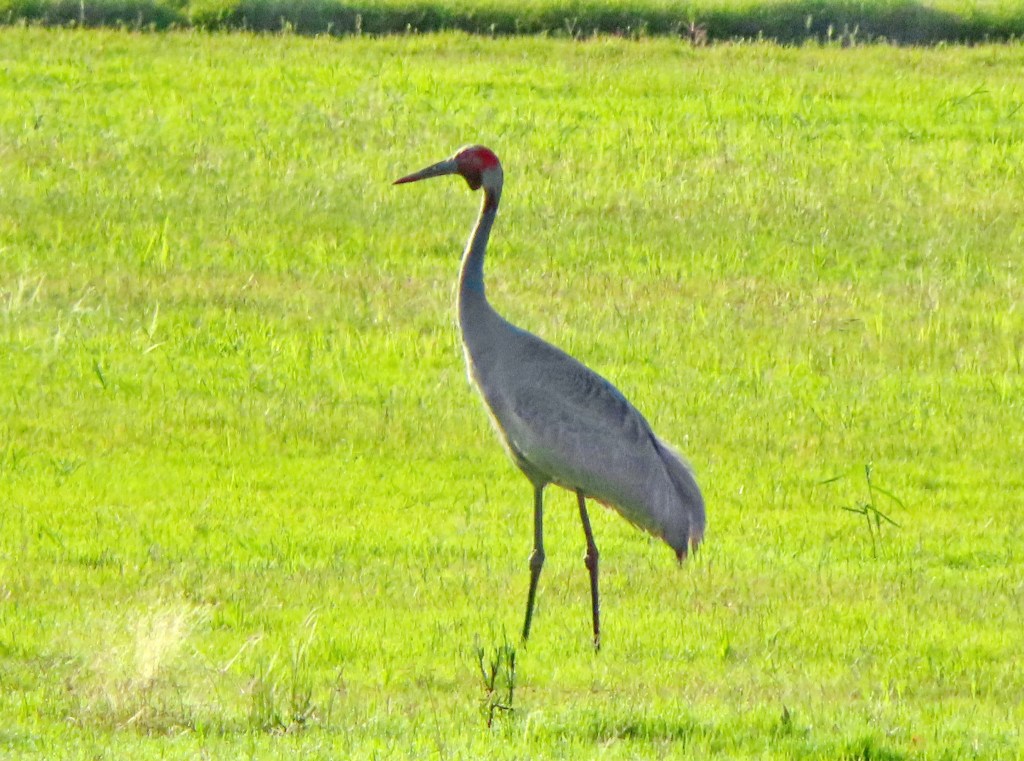
Brolga pair up in breeding season where the male does his courtship dance and they form their nest in the centre of the wetlands. Brolga feed on both plant and animal matter, mostly insects and small amphibians, even the occasional mouse. The sex determination in the pair is essentially by the size of their dewlap (skin below chin). Males have the larger.
male and female togetherfemale (smaller dewlap)male (larger dewlap)coming in for landingflying off after an altercation with another pair
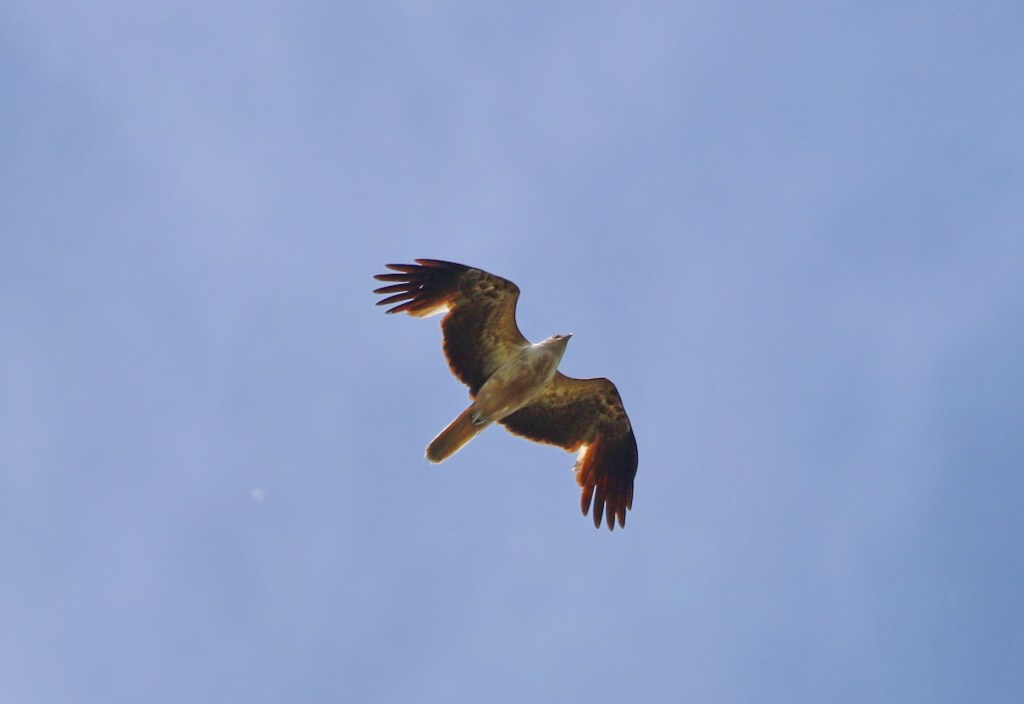
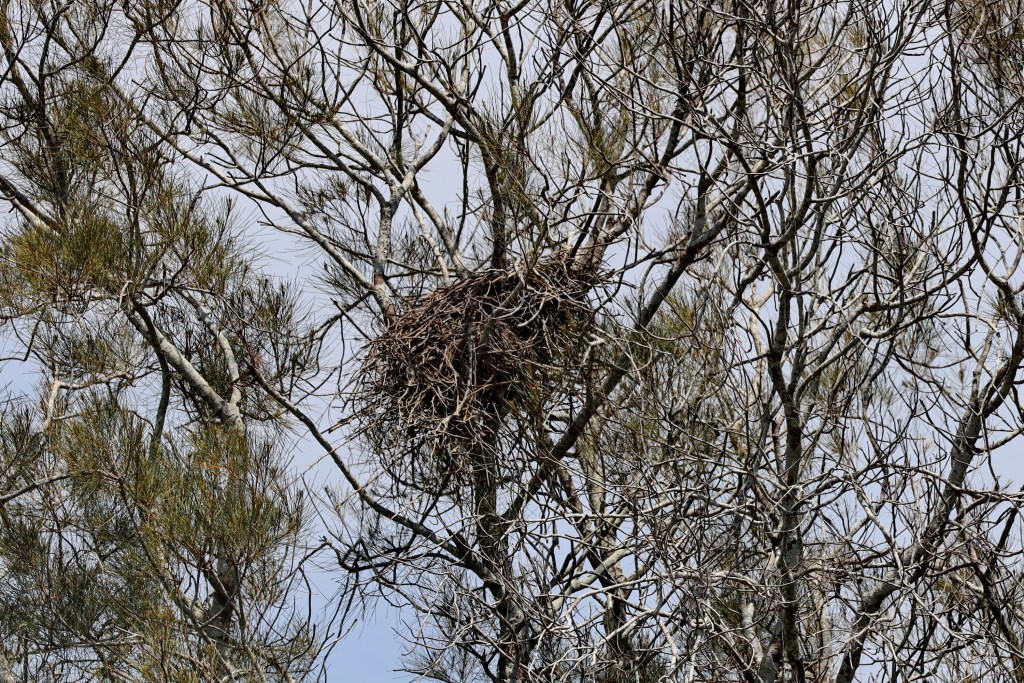
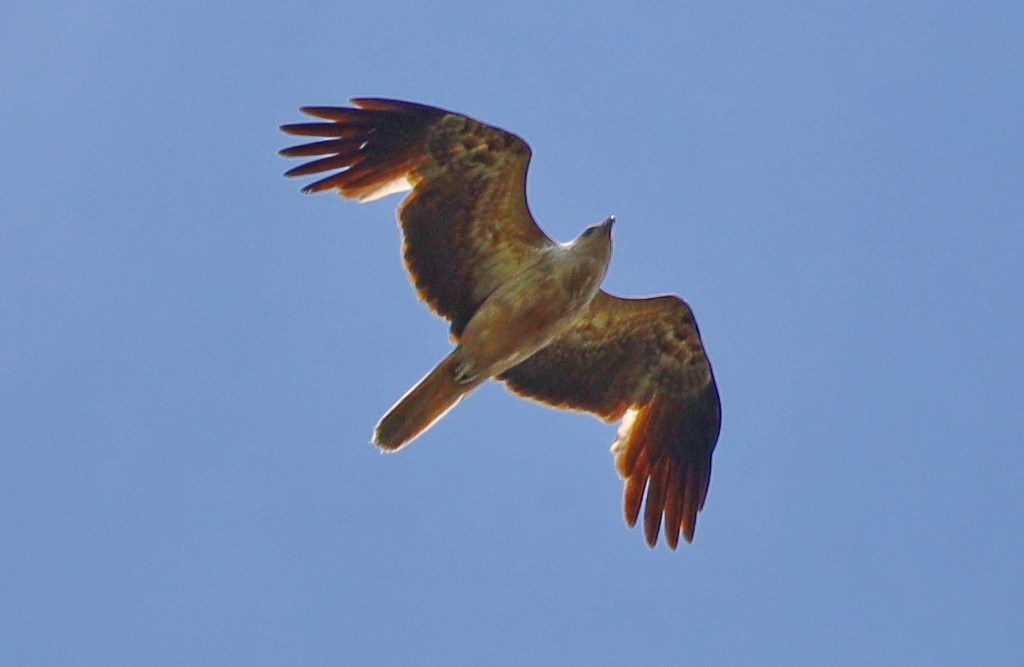
Also we were alerted to a Whistling Kite nest in the park and a juvenile kite flew several circuits to observe us.
juvenile Whistling Kite
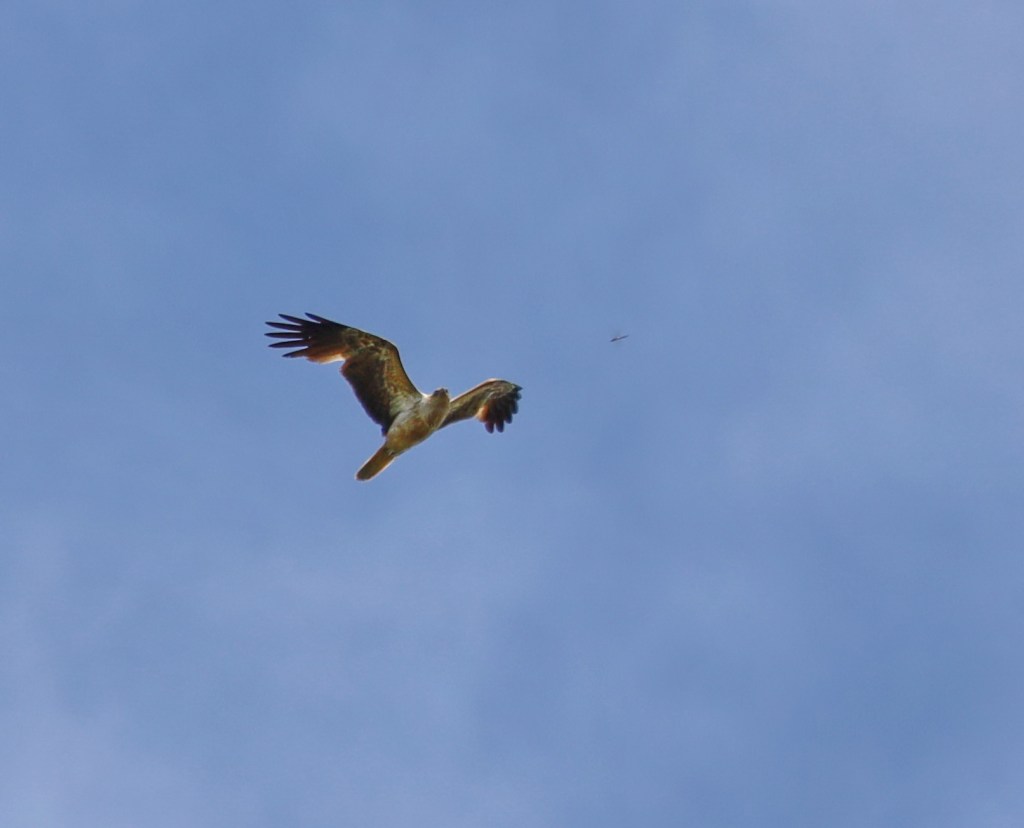
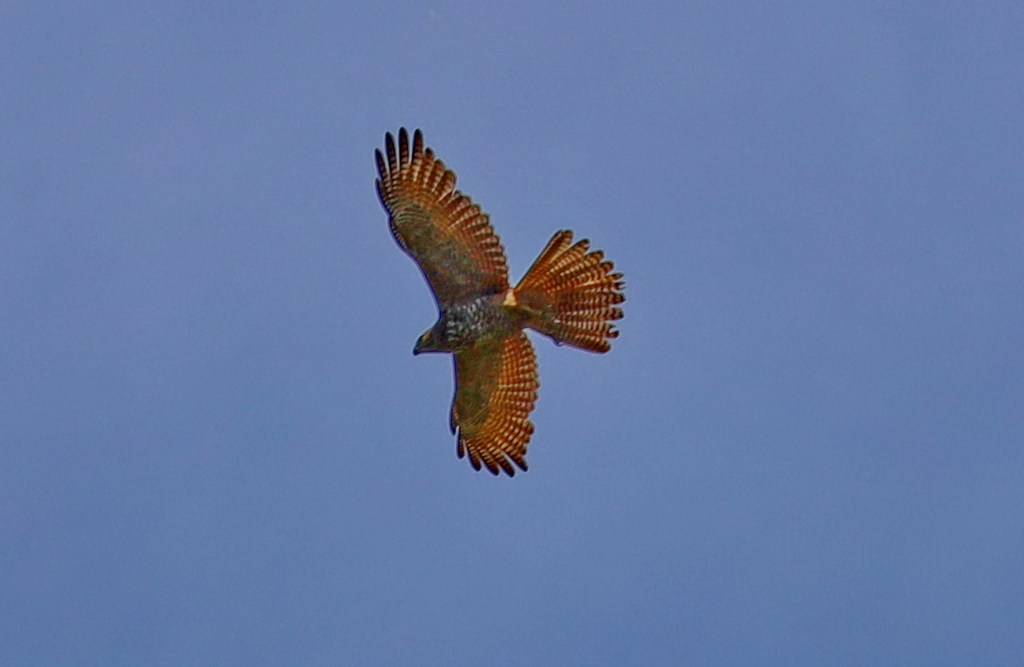
Lastly I saw a Brown Falcon and managed to get one shot. This is one of my favorite raptors for plumage, they are so beautiful in the sunlight.
We were thankful to see the Brolga, which was our primary goal. I imagine more birds would gather at the swamp toward the end of Summer when it is dryer and more stormy. We returned for breakfast and later made our way back down the coast to Forster.
Have a wonderful week and enjoy the birds. I was blessed with a wonderful day book signing at Harry Hartog Miranda Fair last Saturday where I sold many books, which once again delighted the shopand gave us both good returns for our time.I love talking with people and sharing my passion for our Aussie birds and my books.
There is still time to purchase your copy of ‘What Birds Teach Us’ and ‘Flight of a Fledgling‘ here online at my secure Pay Pal terminal where your Credit / Debit Cardor Pay Pal membership may be used. Posted to your address via Australia Post for $30 for Australian addresses or AU$48 for International Addresses. If you order this week it should reach you before Christmas. Local mail deliveries have greatly improved. Find out more by clicking HERE.
When we drove to the Everlasting Swamp we had no assurance that we would see any Brolga. My wife and I prayed asking our loving Heavenly Father that he might gift us with seeing them. Thankfully the next day He provided two birders there who tipped us offto come early in the morning, and that was when we saw them land right near us. We could have missed them had not that occurred.
As many of our Blog Followers know, over the years, my wife and I have often sent up prayers at times when we have been out birding and seen nothing, but after asking our Heavenly Father praying: “Lord, what have you got for us today ?” He always grants us a gift sighting, usually soon after, because he loves His children to include Him in their lives. He loves that we love including Him on our Birding Dates.
“Take delight in the Lord, and he will give you your heart’s desires. Commit everything you do to the Lord. Trust him, and he will help you.” – Psalm 37:4,5 (NLT)
My wife and I share a love of bird observing and bird photography which takes us all over Australia. We love sharing our experiences. Birds live in the beautiful parts of our country. We always get blessed with beautiful gifts of new birds and unexpected experiences each time we go out birding or just walking in the parks and reserves in our wonderful land. We love Australia, and the variety that each state and region offers in its wildlife and nature aspects. Join us in sharing our love. We have always found other birders enthusiastic and friendly people who appreciate the good things in life.
So happy for you and your Brolga sightings and great photos, as well as all the other beauties captured! The Cattle Egret on the fence post is stunning in its colorful breeding plumage as are the Black Swans, indeed elegant! Nice shot of them with the pelicans too!
Thanks Donna, we were delighted at the blessings and gifts our Lord gave us on our adventure, since we had never been there before and were not sure what to find at this time of year. Brolgas are very unpredictable at the best of times as they move about frequently through the day.
What a great spot to visit, and a place I’ve never heard of. I’m glad you got to see the brolga. I love seeing the brown falcons as well, I often see them around this area. Usually perched on a boundary fence of a roadside farm, or hovering low over the paddock near the road looking for a meal. Makes for a real “bird’s eye view” of them when driving past! 🙂
Thanks Sue, yes it was a surprise to read about this place when we were investigating the Jacaranda Festival so we thought it looked promising for we have seen Brolga years ago when searching among the sugarcane not far from this swamp which we did not happen across at the time. I love the Brown Falcon plumage it s so beautiful when they spread their tail.
Fantastic sightings, Ashley! Seeing the courting dance is really cool! They’re very similar to our Sandhill Cranes. I’m glad you saw the Brolga and had a chance to discover the Everlasting Swamp.
Thanks Deborah, yes they are very similar to your Cranes, and possibly share many similar characteristics. Brolga are very shy of humans as they have a history of being hunted and killed by early settlers for food or because they damaged crops.
Looks like a great way to spend some time with a fine collection of birds.
The Brolga are pretty special. Less the 100 years ago there were large flocks of them around the Geelong area, sadly now no longer. We have a small colony that is gradually building up at the Treatment Plant. They suffer dreadfully from loss of the chicks from foxes, so not every year is a successful breeding season.
I, too have a sweet spot for Brown Falcon, as a Mallee kid, we used to see them regularly on fence posts on country roads, I always check fence posts no matter where we are going 🙂
A fine trip with some good weather. Not to be missed.
Thanks David, yes we were thrilled to see several pair of Brolga, as that was our main hope on finding this ‘swamp’. So sad we loose so many from these introduced pests. It is a wonder we have any birds reproducing their kind considering the large numbers lost each night to foxes and cats. I do remember seeing your great post of the Brolga playing with a ball or something and throwing it about. I heard conservationists were planning to reintroduce Brolga to the Riverina, where there use to be huge flocks, but farmers killed them because they ate fruit. It is good to see such projects, like the Magpie Goose one in Newcastle Wetlands.
Introduce your child to our amazingand interesting birds.Over 100 beautiful photos with facts on how they do life, from which we learn helpful life skills.Click image above to Find out more and Buy the Beautiful Bird Book
Teens and Young Adults
Flight of a Fledgling similar to my first book uses the interesting lives of birds to teach valuable life skills.It is written expressly for teens and young adults as they prepare to leave the Nest. It helps them to better understand themselves and improve their personal relationships and better prepare for lifes challenges.Click on the above cover to find out more and purchase online.
Visit Broome Bird Observatory
Include in your next visit to Broome WA a couple of days on bird tours in Australia's Shorebird Capital at Broome Bird Observatory (BBO) in conjunction with Birdlife Australia, it is well worth it. Enjoy a self guided tour through their new and beautiful interactive discovery centre. Accommodation is available. Tours to various bird habitats: mangroves; bush and shoreline. BBO Wardens Sebastian and Jamie will make you welcome. While you are there check out the Beautiful Bird Book 'What Birds Teach Us'.
Help Save Our Birds
Where Can I Buy The Beautiful Bird Books?
BirdLife Australia’s Discovery Centre
When in Sydney, take a visit to BirdLife Australia's Discovery Centre and learn more about our birds at Newington Armory, 1 Jamieson St, Sydney Olympic Park NSW 2127.The Discovery Centre is open on Sundays from 10 AM to 3 PM, with free Bird Walks the last Sunday of each month @ 10:00 AM (no need to book!). For more info Phone: (02) 96471033.
Birding Around the Sydney Region
If you are a birder visiting the Sydney region for the first time, check out the many National Parks (NP) that surround it for the great variety of birds found there. The Visitor Information centres at The Royal NP, Botany Bay NP, Fitzroy Falls and Minnamurra NPs have information and also sell my Beautiful Bird Books. If you follow this blog, make a date with Aussiebirder before you arrive for info tips or a visit.








 aussiebirder
So happy for you and your Brolga sightings and great photos, as well as all the other beauties captured! The Cattle Egret on the fence post is stunning in its colorful breeding plumage as are the Black Swans, indeed elegant! Nice shot of them with the pelicans too!
LikeLiked by 1 person
Thanks Donna, we were delighted at the blessings and gifts our Lord gave us on our adventure, since we had never been there before and were not sure what to find at this time of year. Brolgas are very unpredictable at the best of times as they move about frequently through the day.
LikeLiked by 1 person
What a great spot to visit, and a place I’ve never heard of. I’m glad you got to see the brolga. I love seeing the brown falcons as well, I often see them around this area. Usually perched on a boundary fence of a roadside farm, or hovering low over the paddock near the road looking for a meal. Makes for a real “bird’s eye view” of them when driving past! 🙂
LikeLiked by 1 person
Thanks Sue, yes it was a surprise to read about this place when we were investigating the Jacaranda Festival so we thought it looked promising for we have seen Brolga years ago when searching among the sugarcane not far from this swamp which we did not happen across at the time. I love the Brown Falcon plumage it s so beautiful when they spread their tail.
LikeLiked by 1 person
Fantastic sightings, Ashley! Seeing the courting dance is really cool! They’re very similar to our Sandhill Cranes. I’m glad you saw the Brolga and had a chance to discover the Everlasting Swamp.
LikeLiked by 1 person
Thanks Deborah, yes they are very similar to your Cranes, and possibly share many similar characteristics. Brolga are very shy of humans as they have a history of being hunted and killed by early settlers for food or because they damaged crops.
LikeLiked by 1 person
Looks like a great way to spend some time with a fine collection of birds.
The Brolga are pretty special. Less the 100 years ago there were large flocks of them around the Geelong area, sadly now no longer. We have a small colony that is gradually building up at the Treatment Plant. They suffer dreadfully from loss of the chicks from foxes, so not every year is a successful breeding season.
I, too have a sweet spot for Brown Falcon, as a Mallee kid, we used to see them regularly on fence posts on country roads, I always check fence posts no matter where we are going 🙂
A fine trip with some good weather. Not to be missed.
Regards
DJ
LikeLike
Thanks David, yes we were thrilled to see several pair of Brolga, as that was our main hope on finding this ‘swamp’. So sad we loose so many from these introduced pests. It is a wonder we have any birds reproducing their kind considering the large numbers lost each night to foxes and cats. I do remember seeing your great post of the Brolga playing with a ball or something and throwing it about. I heard conservationists were planning to reintroduce Brolga to the Riverina, where there use to be huge flocks, but farmers killed them because they ate fruit. It is good to see such projects, like the Magpie Goose one in Newcastle Wetlands.
LikeLike